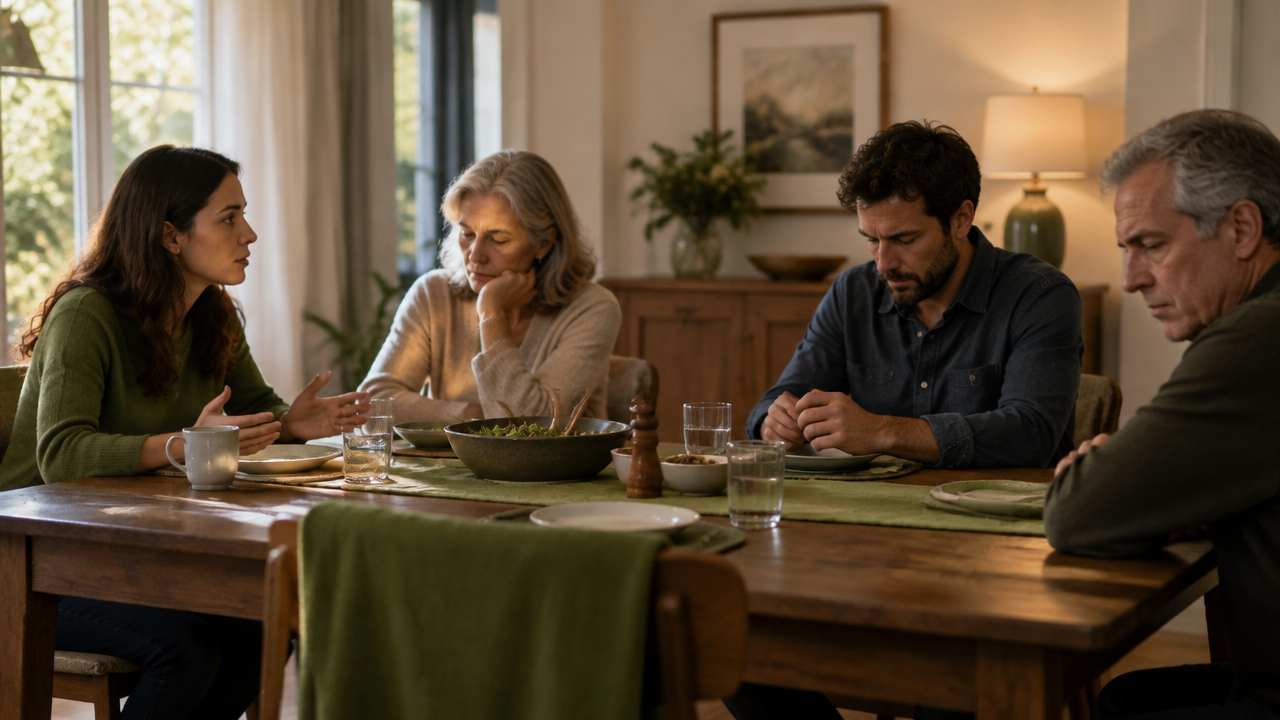

Family constellations have sparked curiosity and hope for many people longing for deeper understanding and harmony in their lives. While its name may sound esoteric, the practice offers a thoughtful path to seeing ourselves through new lenses. At the heart of this approach is an idea as old as humanity itself: we are shaped by the relationships, stories, and hidden ties of the families and systems we belong to.
What are family constellations?
Family constellations are a therapeutic method developed in the late 20th century, rooted in the view that difficulties we face can be influenced by patterns handed down through generations. The process blends systemic thinking, elements of psychology, and a group setting designed to make unconscious family loyalties and blockages visible. We see it as a way to bring out what has been hidden, to invite new choices and possible resolutions.
The technique goes beyond traditional talk therapy by making use of spatial constellations and role-playing to illuminate issues in fresh and moving ways.
Why do people seek family constellations?
We have observed that people are often drawn to family constellations when they notice repeating problems—whether in relationships, career blocks, feelings of isolation, or unexplained fears. They may sense that individual effort alone does not bring relief, or that their struggles feel larger than one lifetime.
- Relationship conflicts that seem to repeat through generations
- Personal or professional blocks with unclear origins
- Unexplained guilt, anxiety, or sadness
- A longing to understand family history and its impact
- The search for belonging, clarity, or closure
For many, discovering the power of systemic influences brings peace and a new sense of possibility.
How does a family constellation session unfold?
While there are variations, a typical family constellation session is guided by a trained facilitator. In a group setting, participants gather and one person, the “seeker,” presents an issue or question. Other group members are chosen to represent specific family members, concepts, or even feelings.

Representatives are then invited to stand in the space according to their feeling or intuition. The facilitator observes body language, spatial arrangement, and the emotions that emerge. Sometimes, simple statements or movements are offered, aimed at acknowledging what has not yet been seen or felt.
A family constellation often reveals loyalties, grief, or love that remained out of awareness, opening new pathways for connection or release.
What can be revealed in a family constellation?
The dynamics uncovered are rarely predictable. We have seen constellations bring to light forgotten histories, unresolved grief, and invisible patterns affecting present decisions. Occasionally, themes such as belonging, exclusion, guilt, or sacrifice hold hidden influence over today’s choices.
Often, family constellations demonstrate that:
- Family stories—especially those untold—can quietly shape current relationships.
- Feelings or burdens sometimes belong to someone else in the system.
- Acknowledging difficult truths, even without fixing or forgiving, can bring a new sense of peace.
- Patterns lose their power when seen, named, and respected rather than resisted.
When the unseen is seen, healing can begin.
Common themes addressed in family constellations
The scope of what can be addressed is wide. In our experience, sessions can center around:
- Family estrangement, divorce, or step-family adjustments
- Repeated patterns of addiction or illness
- Losses (such as miscarriages, early deaths, or emigrated members)
- Issues of success or failure, often echoing unseen family beliefs
- Parent-child struggles, including between adults and aging parents
Constellations can gently suggest that what we struggle with today is not always ours alone.

What can someone expect to feel or experience?
A family constellation can lead to strong emotions, surprising insights, and a sense of unexpected connection. We notice that seekers may feel nervous at first, but curiosity grows as they witness stories unfolding across the room. There’s a quiet awe when a representative—without prior information—expresses feelings, words, or even postures uncannily close to those of actual family members.
After a session, some people feel a sense of release or understanding. Others need time to process the experience. Sometimes, new perspectives continue to unfold over days or weeks.
No outcome is guaranteed, but most participants report greater acceptance, relief, and fresh options for moving forward.
How are family constellations different from other approaches?
What sets family constellations apart is the focus on systems rather than the individual alone. Rather than exploring problems only through the seeker’s eyes, the process brings collective stories and loyalties to light. At the same time, there’s a gentle invitation to take responsibility for one’s choices, while respecting what has come before.
The group format adds an element of play, empathy, and sometimes a deep knowing without words. This approach can feel deeply moving—sometimes more like a ritual or enactment than a standard therapy session.
Connection is the unseen current shaping our lives.
Can family constellations help everyone?
Family constellations are not a replacement for medical or psychiatric care, but can be a supportive tool for those seeking understanding, reconciliation, or release from persistent patterns. In our opinion, this practice can be particularly meaningful for people interested in looking beyond the surface and honoring how human stories shape personal experience.
The right timing, curiosity, and readiness for change all play a part in whether a family constellation will feel helpful. It’s also important to participate with guidance from someone who has experience holding both group and individual needs with care.
Conclusion
Family constellations offer a powerful way to see the forces that shape us, bring awareness to inherited patterns, and open up possibility for new choices. We value this approach for its unique blend of empathy, honesty, and creativity. By inviting us to look at our family stories through fresh eyes, family constellations can foster both individual and collective healing.
Frequently asked questions
What is family constellations therapy?
Family constellations therapy is a group-based method aimed at revealing hidden dynamics in families or other systems that impact present-day behavior, relationships, and wellbeing. Through role representation and guided support, it helps bring subconscious patterns to light, often providing clarity or resolution.
How does a family constellation session work?
A facilitator leads a group, where one person presents an issue. Other participants stand as representatives for family members or concepts, arranged intuitively. The dynamics, feelings, and interactions between the representatives reveal possible patterns or disruptions in the system, often leading to insight and emotional relief.
Is family constellations worth trying?
Many people find the process meaningful and insightful, especially when conventional methods have not addressed persistent challenges. If you are drawn to exploring how family or group patterns may influence your life, and you feel open to both emotional and group-based work, trying a session can provide valuable perspective.
Where can I find a facilitator?
Facilitators usually offer sessions in private practice, as well as in group workshops. It’s best to look for professionals with specific training and experience in the family constellations method, whose approach and ethics feel like a good fit for you.
How much does a session cost?
The investment varies based on country, facilitator experience, and session format. Group sessions generally cost less than private ones. Prices can range widely; always ask about details, duration, and what’s included when considering a session.