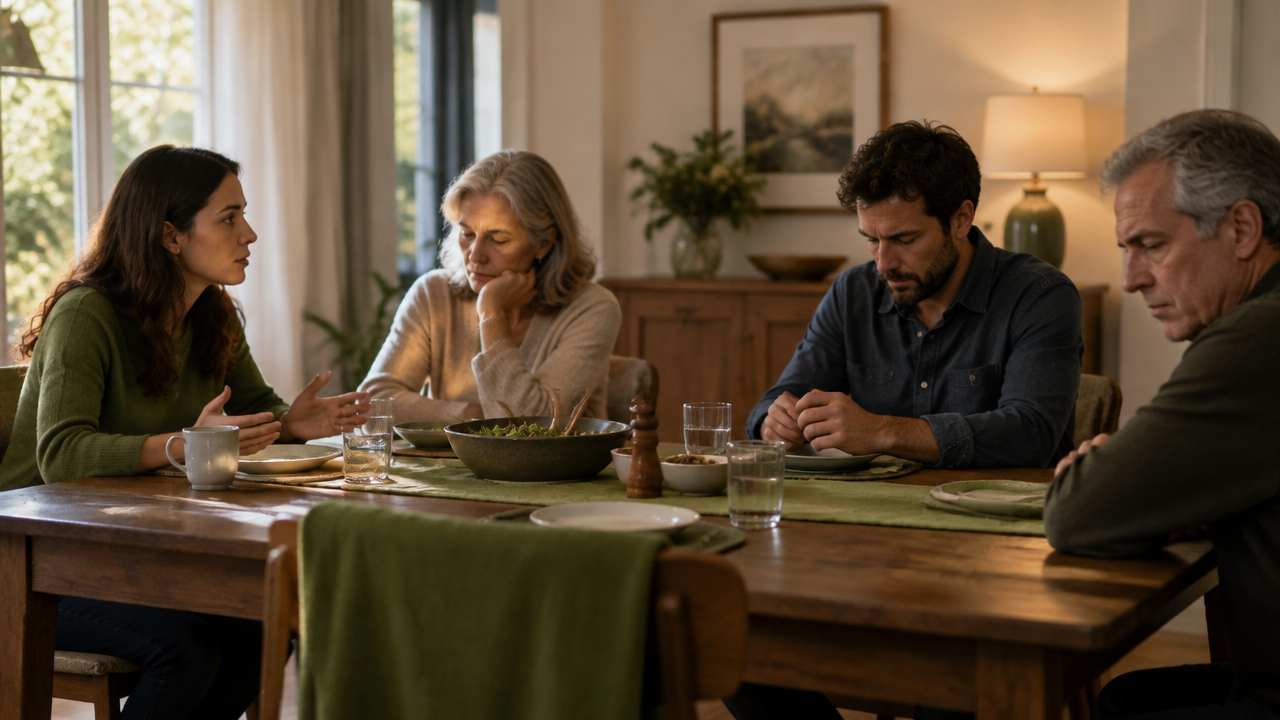

Conflict touches every family. It can feel raw, complicated, and at times, never-ending. Yet, when we look closely, there are opportunities to bring more awareness and maturity to these challenging moments. We believe that every member shapes and is shaped by the family system, through spoken words, silences, emotions, and history. With conscious conflict resolution, we open the door to deeper understanding and healthier bonds.
What makes family conflict so complex?
When we think of family disputes, we often remember sharp words, long silences, or repeating arguments. Family systems are made of many layers—current interactions, past wounds, hidden loyalties, and shared stories. This web makes even small disagreements feel weighty.
Family conflict is rarely about only one thing.
After years of working with families, we noticed that what seems simple on the surface often carries echoes from years ago. A disagreement about chores can trigger old feelings about fairness. A parent’s advice might remind us of feeling misunderstood as a child.
- Old roles and patterns can resurface at the worst times.
- Unspoken expectations produce confusion and pain.
- Behaviors are shaped by upbringing, culture, and outside pressures.
- Love and loyalty can bind and blind at the same time.
Conscious conflict resolution asks us to look at the whole system, not just what is being said in the moment.
First steps: Slowing down and noticing
The key to conscious conflict resolution is awareness. We start by slowing down. This helps us step out of automatic reactions and see what is really going on, inside and around us.
- Check in with yourself before reacting. Notice your heartbeat, your breath, the urge to interrupt or defend.
- Take a pause. Sometimes, a few deep breaths can be the difference between a helpful talk and an explosion.
- Ask yourself: What am I feeling right now? Where might this feeling come from?
We may find that we are arguing about chores, but underneath, we feel overlooked or afraid of being judged.

Active listening: Hearing beyond words
Most of us listen to reply, not to understand. In our experience, this is where mistakes begin to snowball. Active listening is giving attention not just to the words, but to the feelings, hesitations, and needs behind them.
- Let the other person finish before you answer.
- Use open body language: uncross your arms, look at the speaker, nod gently.
- Reflect back what you heard, for example: “I hear that you feel left out when...”
- Ask gentle questions to clarify, not to argue.
Understanding is not the same as agreeing.
When family members feel heard—even if nothing is solved yet—it lowers tension. We have seen how this simple step changes everything. The conflict feels less like a battle, more like a puzzle to solve together.
Taking responsibility: Owning your part
Blame is easy. Taking responsibility is harder and much more helpful. Every person, no matter their age or place in the family, has a part in the conflict and in the solution. This is not about blaming ourselves, but about seeing where our words, actions, or silence add fuel to the fire.
“I was short with you because I was tired, not because you did something wrong.” This kind of statement shows maturity and invites honesty from others too.
- Avoid “You always...” or “You never...”
- Try “I felt...” or “I noticed...”
- Share your limits and struggles without hiding or attacking.
This step may feel uncomfortable. It can bring up shame or worry. But it is the turn toward real connection.
Looking at patterns in the family system
Some arguments repeat—maybe about tidiness, money, or respect. If we look closer, we usually find patterns that go back years or even generations. Becoming aware of these hidden patterns gives us the power to change what feels unchangeable.
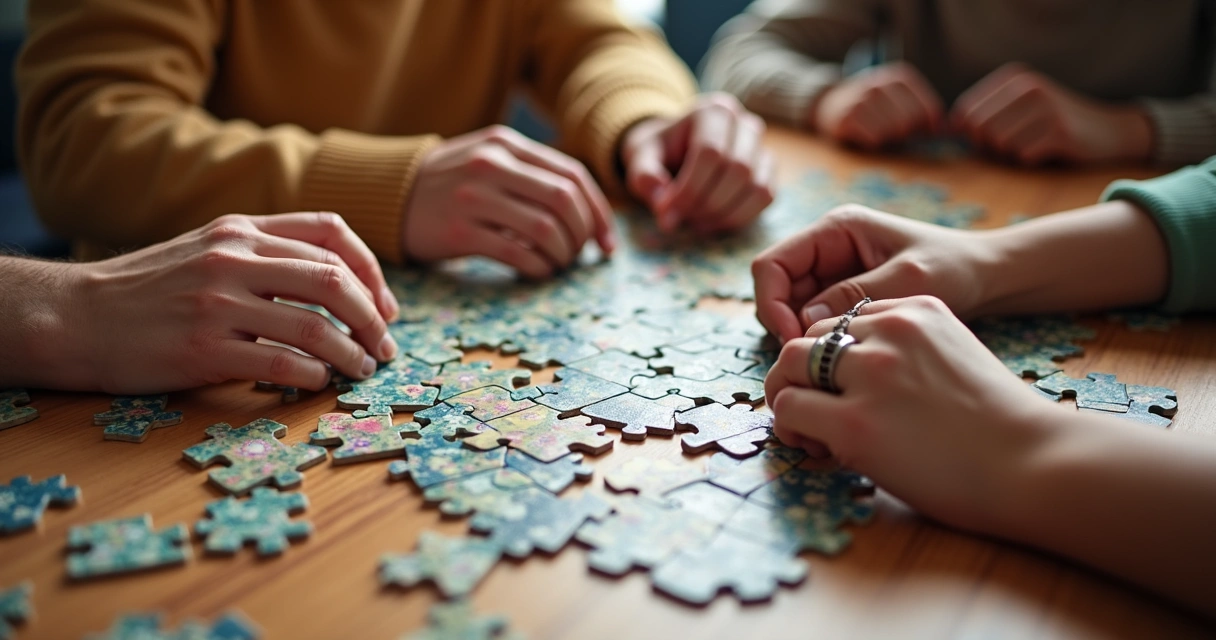
Typical family patterns include:
- One person always fixes problems for everyone.
- Old hurts are brought up in every argument.
- Unspoken agreements about who gets heard and who does not.
- Divisions based on parents’ struggles or unresolved grief.
By naming these patterns, we interrupt them. We can try new ways, like letting someone else lead, giving space for old pain to be seen, or making rules for better fairness.
Building conscious agreements
Clear agreements are the ground for healthy interactions. In our experience, they turn fuzzy boundaries into something that can be seen and respected by all. These are not forced rules, but choices made together, as a group.
- What is okay and not okay during a conflict?
- How do we show respect, even when we are upset?
- What does repair look like after a disagreement?
- How does each person get time to speak?
When agreements are made together, everyone is more likely to follow them and remind each other, kindly, when lines are crossed.
Repair and reconciliation: Not every conflict ends perfectly
A hard truth: not all conflicts are settled with a hug and smiles. Sometimes, the best result is a shared understanding, a next step, or just a little more patience. Repair means trying to reconnect after hurt, no matter how things end.
- A sincere apology, not just words, can be powerful.
- Allow time for cooling off and return to talk again, if needed.
- Remember, trust can be rebuilt, sometimes slowly.
Taking the small steps to repair keeps the door open for connection and healing, even if it feels far off.
Conclusion
Conscious conflict resolution in families is not about perfection. It’s about showing up with honesty, patience, and an open heart. When we slow down, really listen, take responsibility, and see the bigger system, we move from fighting each other to working together.
We can turn conflict into a new beginning.
Frequently asked questions
What is conscious conflict resolution?
Conscious conflict resolution means handling disagreements with self-awareness, empathy, and a willingness to see the bigger picture. Instead of reacting, we notice our feelings and patterns, listen carefully to each other, and look for solutions that respect everyone’s needs.
How can I resolve family conflicts?
Start with honesty about your feelings and listen to the other person without interrupting. Try to find shared ground and talk about the real problem, not just the surface issues. Make agreements together about how to disagree, and take time for repair if things get heated. Seeking help from a neutral person, like a counselor, can also support these steps.
What are common mistakes in family conflict?
Common mistakes include blaming, speaking without listening, repeating old patterns, and expecting instant solutions. Avoid talking about hurts from years past unless it’s to find healing. Using words like “always” or “never” shuts down understanding. Remember to check in with yourself before you reply.
Is it worth it to seek family therapy?
For many families, therapy gives people a structured, safe space to speak, listen, and understand patterns. If certain conflicts seem impossible to resolve, or if family relationships suffer long-term, therapy can help break the cycle and bring new tools for repair.
How to talk calmly during family arguments?
We suggest pausing to notice your breathing, lowering your voice, and speaking about your own feelings without blaming others. If things get too intense, agree to take a short break and come back when everyone is calmer. Practicing these skills outside of conflict also helps when tempers rise.