

Change is a word that tests our comfort zones. Inside organizations, change is rarely as simple as a new process or software rollout. It pushes against invisible structures, habits, and values—hidden dynamics that shape our collective life at work.
We have witnessed how these unseen forces can leave leaders puzzled and teams locked in place. Change stumbles, not for lack of strategy, but because of what lies beneath the surface. Let’s look at these ten hidden dynamics that can quietly, but strongly, block change in organizations.
1. Unwritten rules over formal ones
Every organization writes its rules, but the real power often belongs to the unwritten ones. Teams learn which behaviors are safe, which opinions stay silent, and which norms matter most.
Unwritten rules whisper what the manuals never say.
We have seen brilliant new policies quickly sidelined by an unspoken “the way things are done here.” Until we acknowledge these realities, formal change will only skim the surface.
2. Loyalty to the past
People hold onto what built yesterday’s success, sometimes long after it helps. There is legacy in the methods, systems, and identities that shaped the company’s history, and change can feel like betrayal or loss.
Our experience shows that respect for this legacy is not the same as being stuck. Finding ways to honor what came before often frees people to embrace what’s next.
3. Fear of losing status or control
In any group, status and power are sensitive topics. Even when change promises growth or efficiency, it often shifts who decides, who belongs, or who gets heard. Anxiety about losing influence can block even good ideas.
The deeper challenge is not just about titles or roles—it is about belonging and recognition. Addressing these fears openly, with empathy, can ease silent resistance.
4. Emotional undercurrents
Strong feelings run beneath change: excitement, loss, resentment, or hope. We have observed that when emotion is ignored, logic alone rarely wins support.
Open conversations, spaces to share worries, and leaders who model emotional openness help these undercurrents become waves of support, instead of obstacles.
5. Old narratives stay alive
Organizations run on stories—some loud, some quiet. “Failures always get punished here.” “Innovation is not really valued.” Narratives like these can glue people to the present, blinding them to new directions.
We think that surfacing these stories, questioning them, and inviting new ones is a crucial early step in any change effort. New myths make new futures possible.
6. Exclusion from the change process
Change done to people feels different from change done with people. When teams are left out of key decisions, suspicion and rumor fill the gap.

When people participate early, their sense of agency grows, and so does their willingness to engage with change, even if it brings discomfort.
7. Split loyalties and hidden alliances
Inside organizations, alliances form—sometimes openly, sometimes in secret. People often find themselves loyal to a supervisor, a team tradition, or even an unspoken professional code before being loyal to organizational goals.
We have seen that when new initiatives clash with these loyalties, energy splinters, and commitment wavers. Recognizing and respecting these connections makes real alignment possible.
8. Avoidance of conflict
“Let’s not rock the boat.” It sounds peaceful, but under the surface, suppressed conflicts gather strength.
Unspoken disagreements only grow louder in the silence.
Addressing issues calmly, early, and openly creates trust and clears paths for honest change. When teams hold back their true opinions, resistance leaks out in disguised ways.
9. Systemic pressure to conform
No matter how much innovation is preached, there is always pressure to fit in. When risk-taking is punished and conformity rewarded, original thinkers hide. Over time, creative energy drains away.
We recognize that sustainable change requires more than slogans—it needs the steady modeling of curiosity, acceptance of mistakes, and spaces where dissent sparks ideas.
10. Invisible patterns of inclusion and exclusion
Some team members are always invited, trusted, or promoted; others rarely are. These invisible lines shape who feels safe, who is silent, and who steps up.
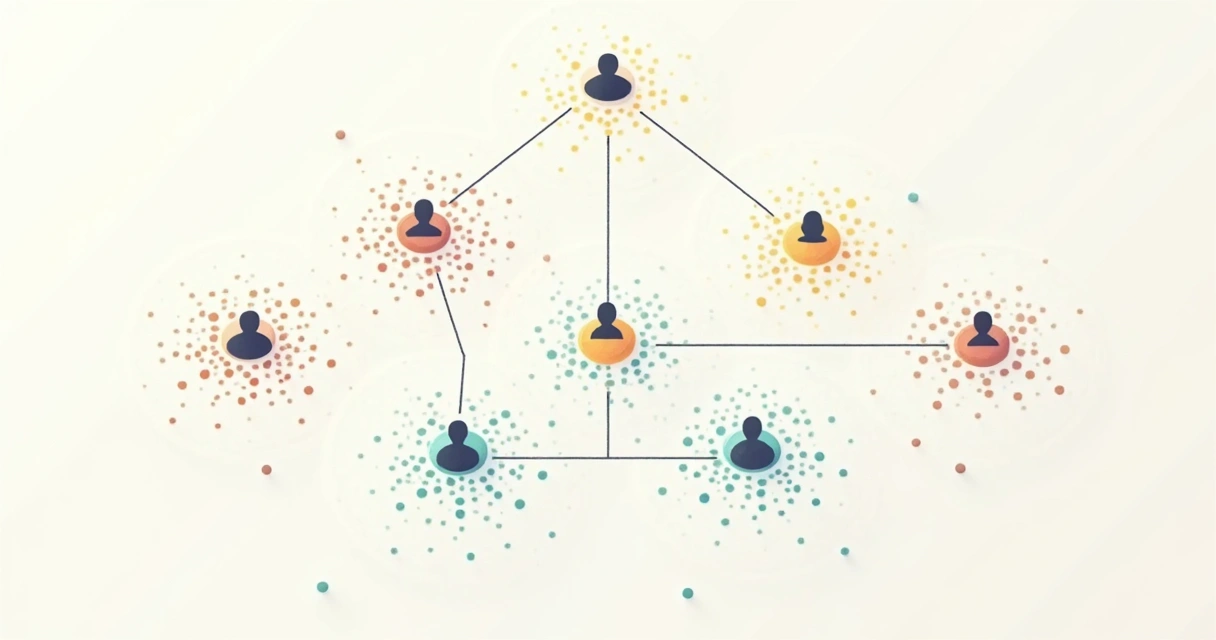
We have observed that challenging these patterns takes humility and courage. New voices must find space, and listening becomes as key as speaking.
Conclusion
Unseen forces shape every step of organizational change. These ten dynamics, subtle yet powerful, hold the real levers of progress. When we treat change as a system—honoring its histories, feelings, silences, and stories—we move past superficial fixes.
Change does not start with strategies alone, but by shining a light on what has been hidden.
Frequently asked questions
What are hidden dynamics in organizations?
Hidden dynamics are the unseen forces, habits, and beliefs that shape how people in an organization behave, interact, and respond to new ideas. These can include unspoken rules, old loyalties, and the day-to-day stories people tell themselves and each other. They exist alongside official processes and often guide what really happens.
How do hidden dynamics block change?
Hidden dynamics can make people resist new ideas, ignore change initiatives, or hold onto familiar ways even when new strategies are introduced. Because they work below the surface, change fails unless these invisible patterns are recognized and addressed. People may appear to agree, but act differently due to these deeper forces.
What are the top change barriers?
Top barriers include loyalty to the past, fear of losing status, unwritten rules, emotional undercurrents, old stories that limit visions, exclusion from decisions, hidden alliances, avoidance of conflict, pressure to conform, and invisible patterns of inclusion and exclusion. Each blocks change in a unique way, often reinforcing each other.
How can I overcome hidden dynamics?
Start by naming the invisible barriers—bring them out into conversations. Encourage open dialogue, include a wider group in planning, honor the stories and fears that emerge, and look for new ways to connect. Building trust and giving space for honest feedback are crucial, as is creating an environment where people can challenge old habits together.
Why do organizations resist change?
Organizations resist change mostly because change threatens established comfort, power, or identity. People naturally protect what feels certain or safe, especially when past success is tied to old practices. Without recognizing and respecting these motives, even well-designed change can be met with passive or active resistance.