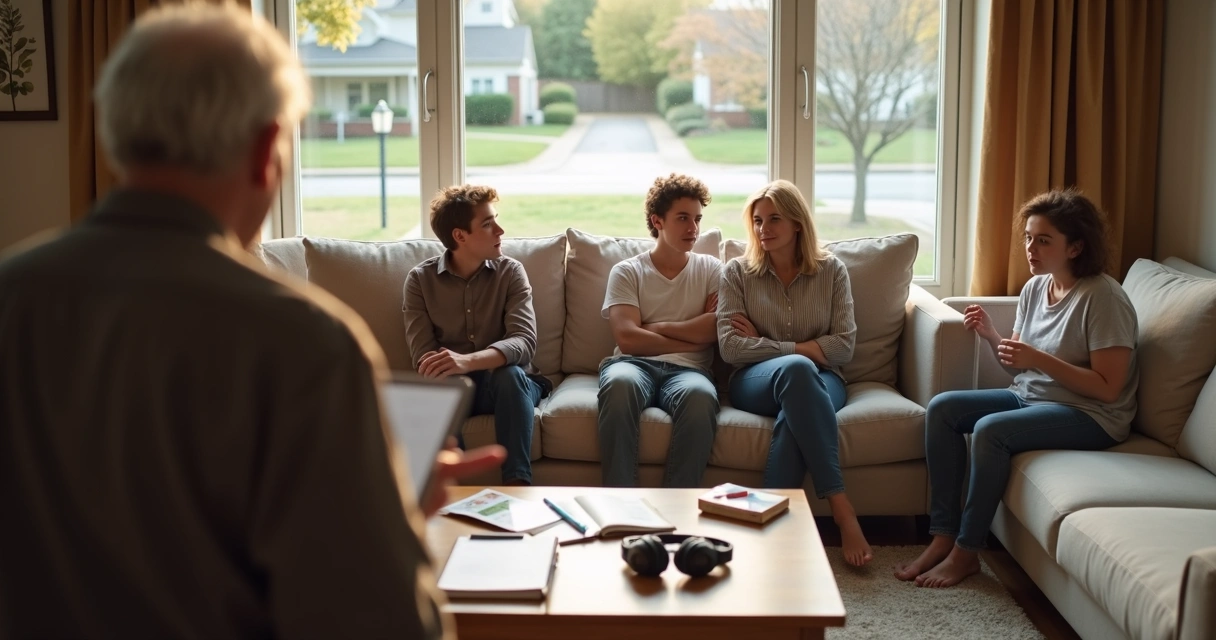
After conflict, many of us think the next step is simple. Someone admits fault, someone forgives, and life moves on. In real relationships, families, teams, and communities, it rarely works that way. We often see blame move in circles. One person points to another, the other points back, and soon everyone feels injured, misunderstood, and morally justified.
A systemic blame cycle happens when blame stops being a response to one act and becomes the organizing pattern of the whole relationship.
We have seen this in quiet homes and loud meetings alike. A small event starts it. A harsh comment. A broken promise. A public embarrassment. Then the meaning of the event grows. People stop asking, “What happened?” and begin asking, “Who is the problem?” That shift blocks repair.
Reconciliation needs truth, responsibility, and enough safety for people to lower their guard. Blame cycles do the opposite. They harden roles, narrow perception, and keep each side attached to its own pain story. That is why some conflicts last for years, even when the original event was brief.
Why blame becomes systemic
Blame becomes systemic when it is reinforced by the field around the conflict, not just by the people in it. We do not react only to the present moment. We react through old loyalties, family rules, group identities, and past injuries that were never named.
Imagine two siblings arguing about care for an aging parent. On the surface, they fight over schedules and money. But under that layer, one carries the role of “the responsible one” and the other carries the role of “the disappointing one.” Each new argument confirms the old script. They are no longer meeting each other as they are now.
Old roles keep new wounds open.
When this happens, several patterns often appear:
- People reduce each other to fixed identities.
- Past grievances are pulled into every new event.
- Witnesses take sides and strengthen polarization.
- Apologies are rejected because they are heard through suspicion.
In a blame cycle, people stop relating to actions and start relating to labels.
That change matters. Actions can be addressed. Labels are defended against. Once a person is treated as “always selfish,” “always controlling,” or “always careless,” reconciliation loses room to breathe.
How blame protects the self
We think blame often survives because it offers psychological relief. It helps us avoid shame, helplessness, and inner conflict. If the problem is fully located in the other person, we do not have to face our own part, our own fear, or our own dependence on the bond that was damaged.
This does not mean all responsibility is equal. Some harm is clearly one-sided. Some conduct is abusive, deceptive, or reckless. A systemic view should never erase that. But even in uneven situations, blame can still become a repetitive structure that traps everyone in reaction.
We have noticed that people in pain often prefer a clean moral picture. It feels safer. Yet reconciliation needs a more demanding posture. It asks us to separate accountability from identity, and injury from total condemnation.
Why apologies fail inside the cycle
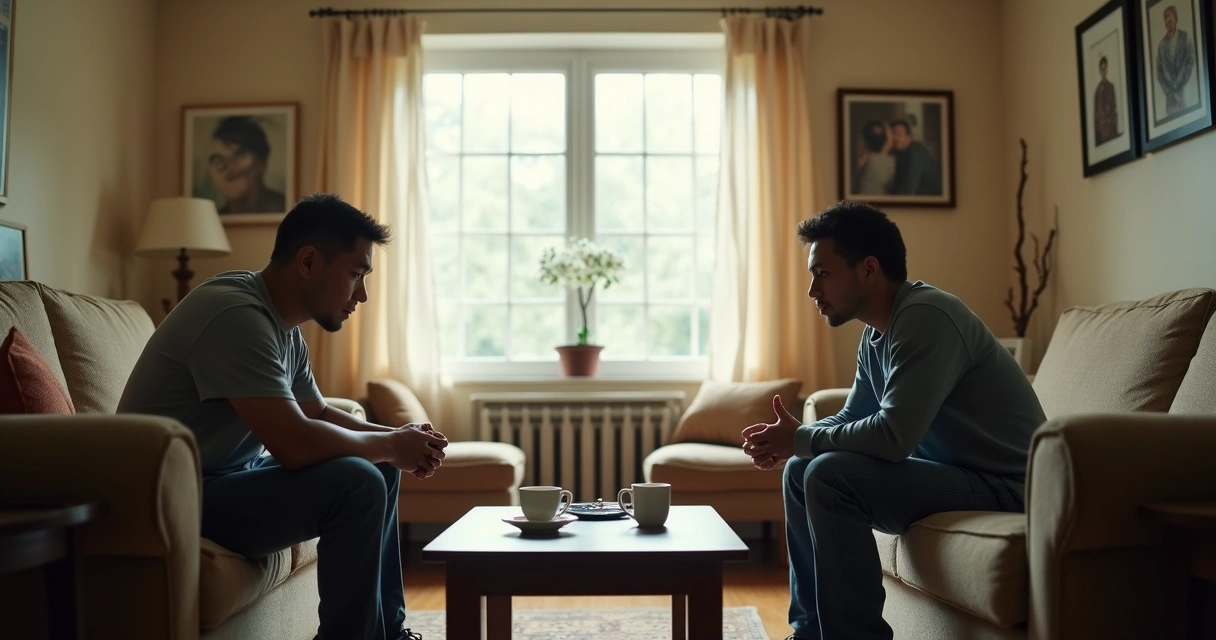
Many people say, “I already apologized.” Yet the conflict stays alive. We should ask why. One answer is that not all apologies carry the same weight. According to experimental research on trust repair after violations, sincere explanatory communication restores trust far better than impersonal or formulaic apologies. In plain terms, people do not calm down because words were said. They respond when they sense reality was faced.
Inside a blame cycle, however, even a sincere apology may fail if the wider structure remains unchanged. If one person says sorry but keeps mobilizing allies, denying impact, or repeating the same behavior, the apology feels empty. On the other side, if the injured person is deeply invested in the offender role, no apology will seem enough.
We find that repair becomes possible when apology includes three clear elements:
- Naming the act without softening it.
- Showing understanding of its impact.
- Accepting a different pattern going forward.
Without those elements, language can sound polite while the system stays frozen.
When group memory hardens blame
Some blame cycles are larger than one relationship. They live in families across generations, in teams after leadership failures, and in communities after collective harm. In these settings, memory itself can become selective. One side remembers its losses vividly and sees the other side’s pain as secondary, exaggerated, or deserved.
This is one reason reconciliation after severe conflict is so difficult. A combined analysis of war-affected communities in former Yugoslavia found that when violence was experienced as asymmetric, people showed stronger support for justice and more rejection of reconciliation. When violence was seen as more symmetric, people were more likely to view justice and reconciliation as compatible.
People struggle to reconcile when they believe their suffering is denied, minimized, or made equivalent to harm done by others.
We should read this carefully. Reconciliation does not grow from pressure to “move on.” It grows when harm is named with honesty, and when the injured party does not feel erased in the process.
What helps interrupt the cycle
Blame cycles break when the structure changes. Insight alone is not always enough. People may fully understand the pattern and still repeat it under stress. We need practices that slow reactivity and widen perception.
In our experience, a few shifts make a real difference:
- Move from accusation to description. State what happened before interpreting motives.
- Distinguish responsibility from total character judgment.
- Name the repeated role each person has been assigned.
- Refuse recruited alliances that feed polarization.
- Create space for grief, not just argument.
Sometimes one sentence changes the tone. “When you did this, I felt pushed out,” is different from, “You never cared about me.” The first opens a door. The second closes one.

What reconciliation is not
We need to be clear here. Reconciliation is not denial. It is not forced closeness. It is not pretending both sides played the same part when they did not. And it is not surrendering boundaries to look mature.
Real reconciliation may lead to renewed trust, but not always. Sometimes it leads to a cleaner separation, firmer limits, and less emotional poison. That still counts as repair because the cycle of mutual injury has been interrupted.
Peace without truth does not hold.
When we stop feeding systemic blame, we do not erase responsibility. We make responsibility usable. That is the difference. A person can own what they did more honestly when they are not fighting for their whole identity. An injured person can listen more freely when their pain is not being negotiated away.
Conclusion
Systemic blame cycles block reconciliation because they turn conflict into identity, memory into a weapon, and pain into proof of permanent innocence. Once that happens, people defend positions instead of repairing bonds. We believe reconciliation begins when the pattern itself becomes visible. Then blame can loosen, truth can become more precise, and responsibility can return to its proper place. Not as humiliation. As maturity.
Frequently asked questions
What is a systemic blame cycle?
A systemic blame cycle is a repeated pattern in which people or groups keep assigning fault in ways that reinforce fixed roles and ongoing conflict. It goes beyond one event and becomes part of how the whole relationship operates.
How do blame cycles prevent reconciliation?
Blame cycles prevent reconciliation by making people defend identities instead of addressing actions and repair.
They keep attention on who is bad rather than what needs to change. They also increase suspicion, reduce empathy, and make apologies harder to trust.
How can groups break blame cycles?
Groups can break blame cycles by naming the pattern, slowing reactive exchanges, and focusing on specific behaviors and impacts. It also helps to stop side-taking, allow space for grief, and set clear forms of accountability that do not depend on humiliation.
Why do blame cycles start after conflict?
They often start because conflict activates fear, shame, and old loyalties. Blame gives fast emotional relief and a sense of moral clarity. In groups, shared memory and identity can strengthen this pattern and make it harder to step out of it.
Can individuals stop systemic blame cycles?
Yes, individuals can help stop them, even if they cannot control the whole system. They can speak in descriptive terms, own their part clearly, refuse unfair labels, and avoid recruiting allies against the other side. One grounded person does not solve everything, but can reduce escalation and open a path to repair.