When we gather in groups, something happens that goes far beyond words. Even when we stay quiet, our bodies talk. Our faces respond, and gestures travel quickly through the room. We have seen firsthand how nonverbal communication shapes the way groups bond, clash, learn, or grow.
Think of the last time you sat in a team meeting, a family dinner, or even a class project. Did someone’s crossed arms stop you from speaking up? Or did an encouraging nod push you to share an idea? These small, silent signals can speak louder than any speech.
Group dynamics: More than what is said
Group dynamics is the study of how people interact in groups. It covers who leads, who follows, how decisions are made, and why some voices are loud and others quiet. Nonverbal cues are everywhere in this mix, creating undercurrents that shape group outcomes.
We have noticed that people tend to respond instantly to what is felt in a group, not always to what is heard. A shift of posture, a wave of hands, or a simple glance tells us if people feel included or left out.
Sometimes, the most honest moments are silent.
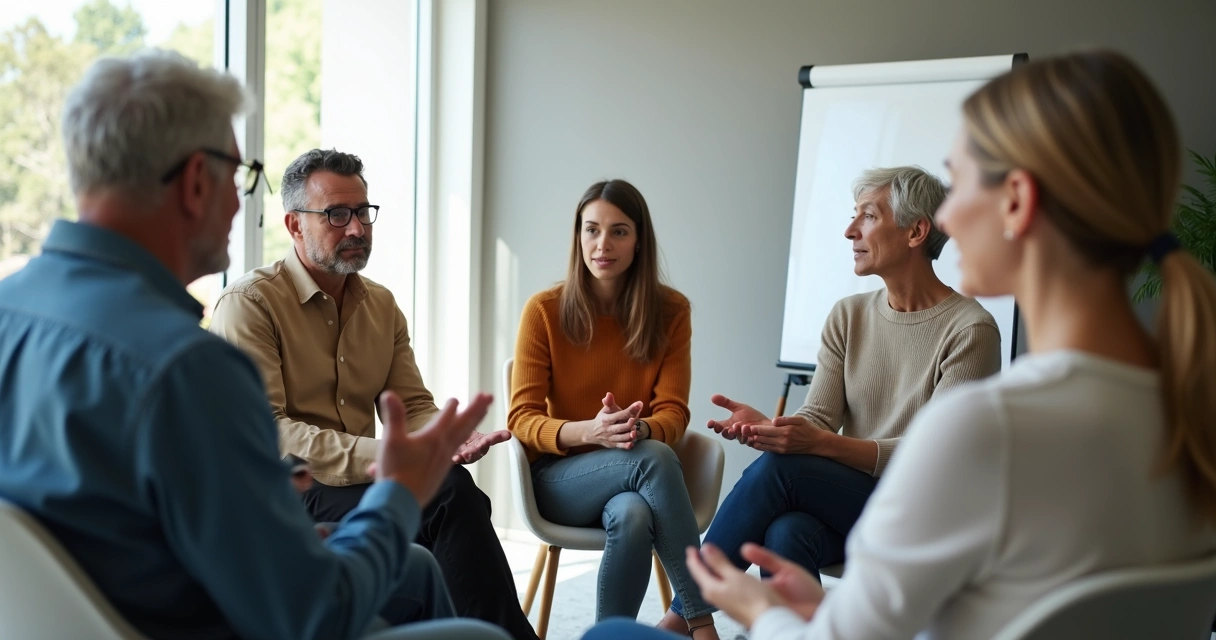
Groups often create shared habits of body language. Once, during a workshop, we saw how a team unconsciously leaned in together when they felt safe—almost like dancers in sync.
What is nonverbal communication in groups?
Nonverbal communication includes all the ways we share information without saying a word. This often happens through:
- Facial expressions
- Body posture and movement
- Gestures with hands or arms
- Eye contact or gaze
- Physical space or distance
- Touch (like a pat on the back or handshake)
- Tone of voice (even when not talking, we “feel” tension or calm)
In a group, these cues become even more layered and complex, because many people are sending and picking up signals at once.

Nonverbal cues and inclusion
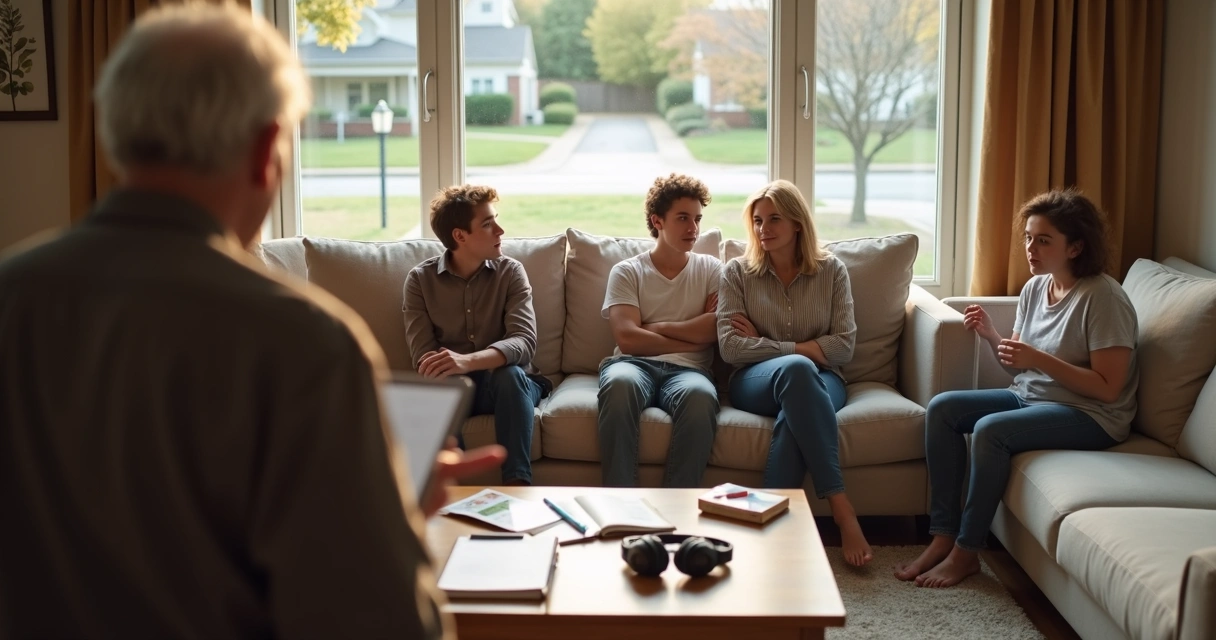
We all want to belong. When someone makes eye contact, smiles, or turns their body toward us, we feel seen. But if someone sits apart, avoids looking up, or keeps their arms tightly crossed, we sense distance. In our experience, warmth in nonverbal cues creates a sense of belonging, while coolness has the opposite effect.
These signals often decide who steps forward and who stays quiet. In various group settings, we have seen how the physical placement of chairs or the way someone opens up their body can encourage or shut down participation.
Encouraging signals
- Open arms and uncrossed legs
- Smiling and expressive faces
- Nods and leaning forward
- Mirroring subtle gestures
These help group members feel that their contributions are valued and that their presence matters.
Excluding signals
- Turned backs or chairs facing away
- Frowns or blank stares
- Negative gestures, like sighing or eye-rolling
- Protective gestures, such as crossing arms tightly
When these appear, participation often drops. We notice quieter members tend to withdraw even more.
Body language and group decision-making
When a group tries to reach a decision, nonverbal signals can help, or they can hurt. Nods, attentive gazes, and relaxed gestures help people feel that their thoughts are being taken seriously. That builds trust. On the flip side, closed body language or impatient signals can stifle open debate.
We have seen teams reach better outcomes when everyone watches for these cues and tries to create a more open, welcoming environment. Sometimes, we pause discussions and point out the body language in the room. People are often surprised to see how much they are saying without words.

Nonverbal communication and group roles
We often notice unspoken agreements about group roles forming through subtle signals. For example, the “leader” might stand taller, make more eye contact, or use larger gestures. Meanwhile, someone who acts as the “peacemaker” often leans in, nods, and mirrors other people to show understanding.
Roles can shift too. If the usual decision-maker crosses their arms and sits back, someone else might step up. These changes happen fast, thanks to nonverbal feedback that the group senses right away.
When signals send mixed messages
Sometimes, a person’s body language and words don’t match. This can create confusion. For instance, someone might say, “That’s a great idea,” but roll their eyes at the same time. When body and voice disagree, most people trust the body more.
We encourage groups to notice when this happens. It can be a chance to pause and check if there’s unspoken tension or doubt that needs to be addressed.
Tips for reading and sending better signals
Not everyone finds it easy to read or send positive nonverbal cues. Here are some ways we have found helpful for making group spaces more conscious and warm:
- Pay attention to your body as much as your words.
- Look at group seating, lighting, and physical space—these all affect mood and connection.
- Practice mirroring—subtly echo others’ open gestures to build trust.
- Notice silences and pauses, as they are often filled with meaning in groups.
- If mixed signals appear, invite the group to talk it through openly.
We can change a whole meeting by changing our own posture.
Conclusion
The real conversations that shape group experience are often silent. In our view, nonverbal communication is a constant undercurrent in every group, shaping who is heard, who feels at home, and how well the group grows together. By staying aware of these cues, and using them intentionally, we help groups become more understanding, effective, and connected. The real magic often starts without a single word.
Frequently asked questions
What is nonverbal communication in groups?
Nonverbal communication in groups is all the ways we share ideas and feelings without using spoken words, such as through gestures, facial expressions, body posture, eye contact, and even the physical space we keep between each other. In groups, these signals build a shared understanding and guide interactions, even when nobody is talking.
How does body language affect teamwork?
Body language shapes how team members feel about sharing, leading, or following. For example, open postures and frequent nods signal safety and support, encouraging more participation. Closed body language, like crossed arms or a lack of eye contact, can discourage collaboration and make some members feel unwelcome or ignored.
What are common nonverbal group signals?
Some common nonverbal signals in groups include nodding to show agreement, making or avoiding eye contact, leaning forward to show interest, mirroring others' gestures as a sign of connection, or sitting away from the group and crossing arms when feeling uncomfortable or excluded.
Can nonverbal cues improve group decisions?
Yes, nonverbal cues help groups make better decisions by creating an atmosphere where people feel safe to contribute. Open, positive body language encourages more voices and viewpoints, while negative or closed cues can silence good ideas or slow group problem-solving.
How to recognize negative nonverbal signals?
Negative signals often include things like avoiding eye contact, closed-off postures (arms crossed, body turned away), sighing, frowning, or rolling eyes. When several of these signals happen together, it usually signals discomfort, disagreement, or lack of engagement in the group. Noticing and addressing these signs early can help groups recover trust and openness.