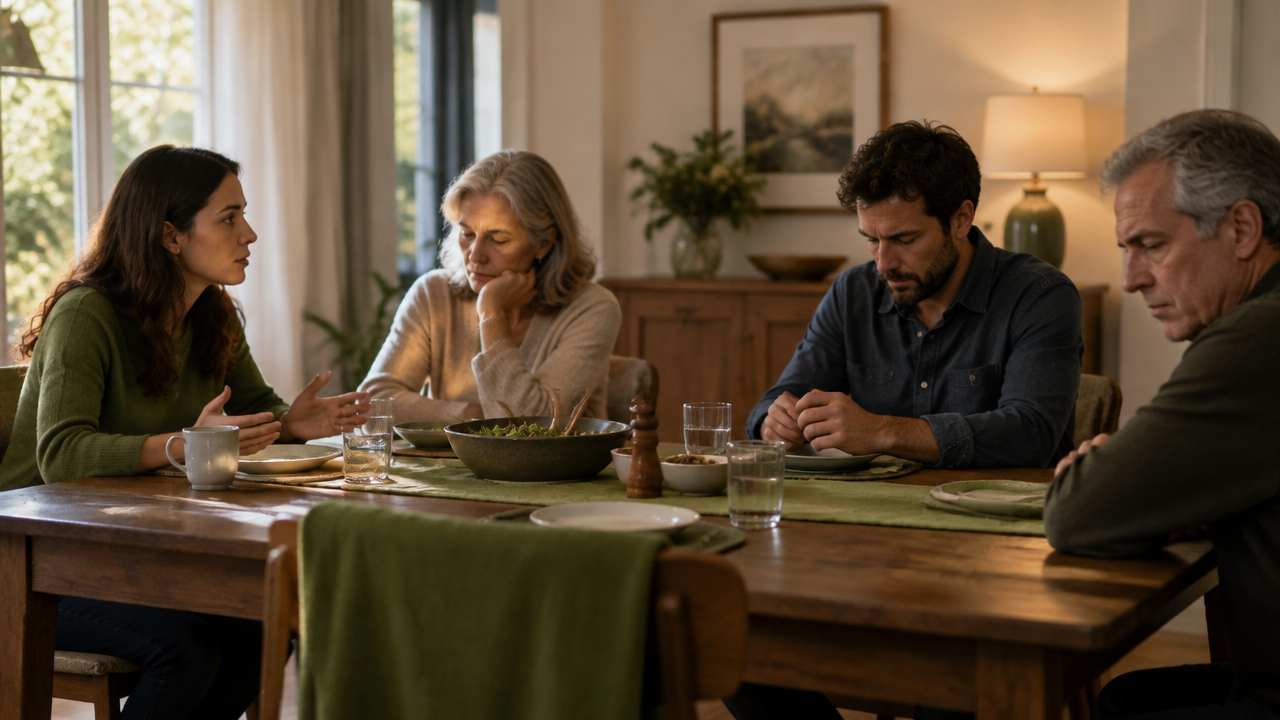
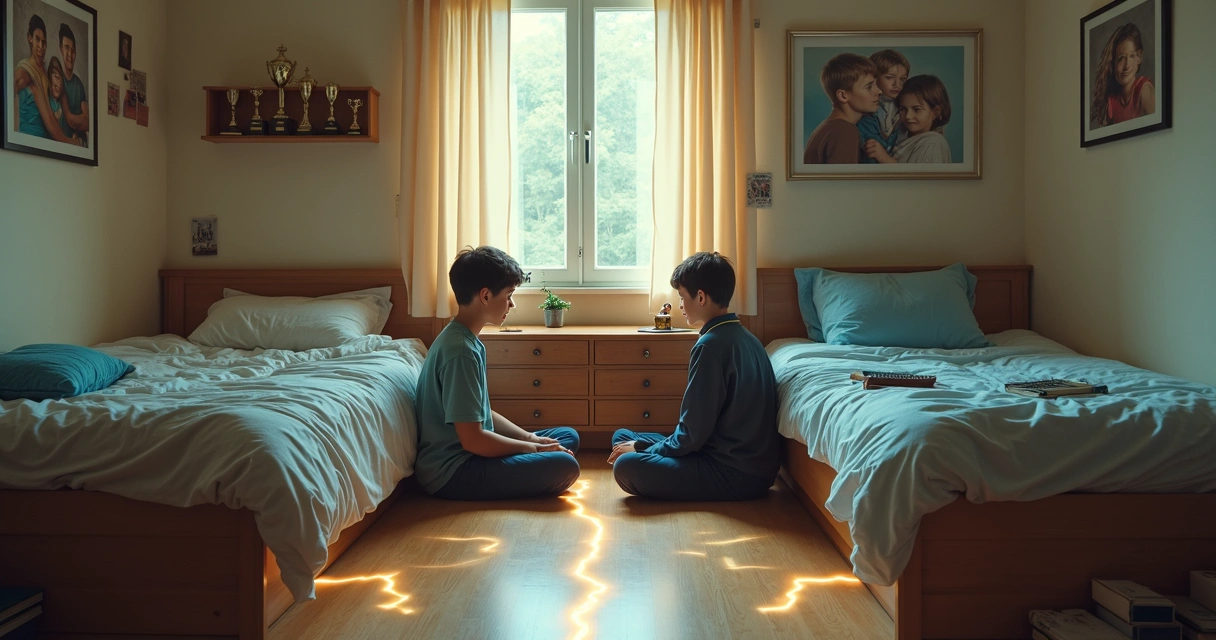
We often hear that sibling rivalry is normal. In part, it is. Brothers and sisters compete, irritate each other, and test limits. But in our experience, what looks like simple conflict often carries deeper patterns inside the family system. When we slow down and observe, we can see that rivalry is not only about toys, grades, or attention. It is also about place, loyalty, pressure, and unspoken pain.
Sibling rivalry today is often less about the visible fight and more about the hidden pattern feeding it.
A University of Michigan Medicine overview describes sibling rivalry as jealousy, competition, and fighting that often starts after the second child is born. Many parents feel this shift right away. A child who was calm becomes reactive. Another turns quiet. The house changes tone. Small scenes begin to repeat.
We think the best question is not only, “Why are they fighting?” It is, “What role is each child being pulled into?” That question opens a wider view. Below, we share five patterns that are easy to miss, yet they shape many sibling conflicts today.
Children competing for emotional position
Not all rivalry is about getting more things. Often, children compete for emotional position inside the home. One tries to be the easy child. Another becomes the loud one. A third may act like the helper, the achiever, or the rebel. On the surface, these roles look personal. But many times, they are responses to the emotional needs of the family.
We have seen families where one child senses a tired parent and becomes overly mature. Another notices that tenderness is given more freely to vulnerability, so they become the one who struggles. Neither child plans this. It happens slowly.
Children read the room fast.
When siblings fight, they may actually be defending a position that feels safer than losing their place. This can sound like:
“You always listen to her first.”
“He gets away with everything.”
“If I do not react, no one sees me.”
Many sibling battles are bids for recognition, not just control.
Once we notice the roles, the conflict starts to make more sense. The goal is not to erase difference. It is to stop locking children into fixed identities.
Parental stress turning into uneven responses
Parents do not need to be unfair on purpose for siblings to feel unequal. Stress alone can create uneven responses. A parent may have more patience with the child who asks less. Another may become stricter with the child who resembles a difficult relative or who arrives at the wrong moment, such as during money strain, grief, or marital tension.
A peer-reviewed study of 4,237 adolescents found that 46% experienced sibling aggression and 36% admitted perpetrating it, with higher rates linked to larger family size, male siblings, and financial hardship. That finding matters because it reminds us that rivalry does not happen in a vacuum. Pressure around the family can intensify what happens between children.
We think many adults feel guilty when they read this. They should not stay in guilt. They can move into awareness. A parent who says, “I notice I react faster to one child,” is already interrupting the pattern.
Old family stories being repeated through the children
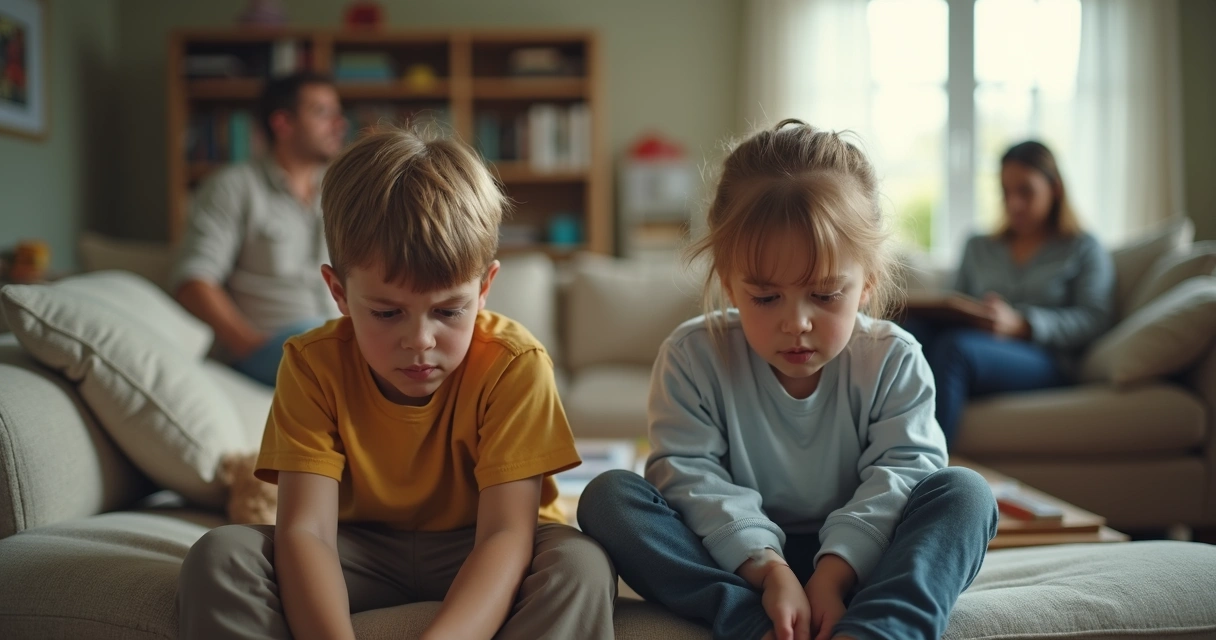
Some sibling tension does not begin with the siblings. It begins earlier, in family stories that were never fully processed. We may see one child linked, silently, to one side of the family and another child linked to the other side. Then ordinary conflict gains extra force.
For example, one brother is called “strong like grandpa,” while the sister is seen as “sensitive like mom.” Those labels seem harmless. Yet they can turn children into carriers of old loyalties. Soon, their fights are not only theirs.
This is one of the most overlooked patterns because the family usually speaks about personality, not inheritance of meaning. Still, repeated phrases, comparisons, and alliances tell a story.
When children carry old family labels, sibling rivalry can become a stage for unfinished adult history.
We are not saying every label causes harm. But when labels become rigid, they narrow each child’s freedom. One is expected to win. One is expected to yield. One is expected to fail and then be forgiven. These roles feed resentment.
An article from Utah State University College of Education and Human Services notes that while some rivalry is normal, prolonged or intense conflict can damage family life and children’s well-being. That is why repeated patterns deserve attention before they harden.
Digital comparison inside the same home
Sibling rivalry today has a newer layer. Children no longer compare only inside the house. They also compare through screens. One child gets more likes, looks older sooner, performs better online, or gains more praise in group chats and family posts. The other child sees it all in real time.
This can sharpen envy in subtle ways:
Public praise becomes easier to count.
Private insecurity becomes harder to hide.
Family comparison can spread beyond the home.
We have heard adults say, “They are fighting over nothing.” Then we look closer and find months of online comparison behind the argument. A comment on a photo. A joke in a sibling thread. A record of who is admired more. It sounds small, but children and teens feel status very strongly.
This does not mean screens create rivalry by themselves. It means they can magnify old tensions and keep them active even after the argument ends.
Comparison is louder online.
Conflict that has crossed into aggression
One of the biggest blind spots is assuming all sibling conflict is harmless. It is not. We need language that separates normal rivalry from patterns of aggression. Teasing, arguing, and occasional jealousy are one thing. Repeated humiliation, intimidation, threats, or physical harm are another.
A resource from the University of New Hampshire makes this difference clear by showing how rivalry can cross into aggression or abuse and why warning signs matter. This distinction protects children. It also helps adults respond with the right level of seriousness.
A Harvard Health article summarizing research reports that sibling bullying has been linked to lower self-esteem, reduced life satisfaction, and a higher risk of depression and self-harm in early adulthood. That is not a small family issue. It can leave a long shadow.
We think adults sometimes minimize this because sibling aggression can look familiar. “They have always been like that,” someone says. But repetition does not make harm healthy. If one child is afraid, trapped, or regularly degraded, the system needs firm intervention.
Conclusion
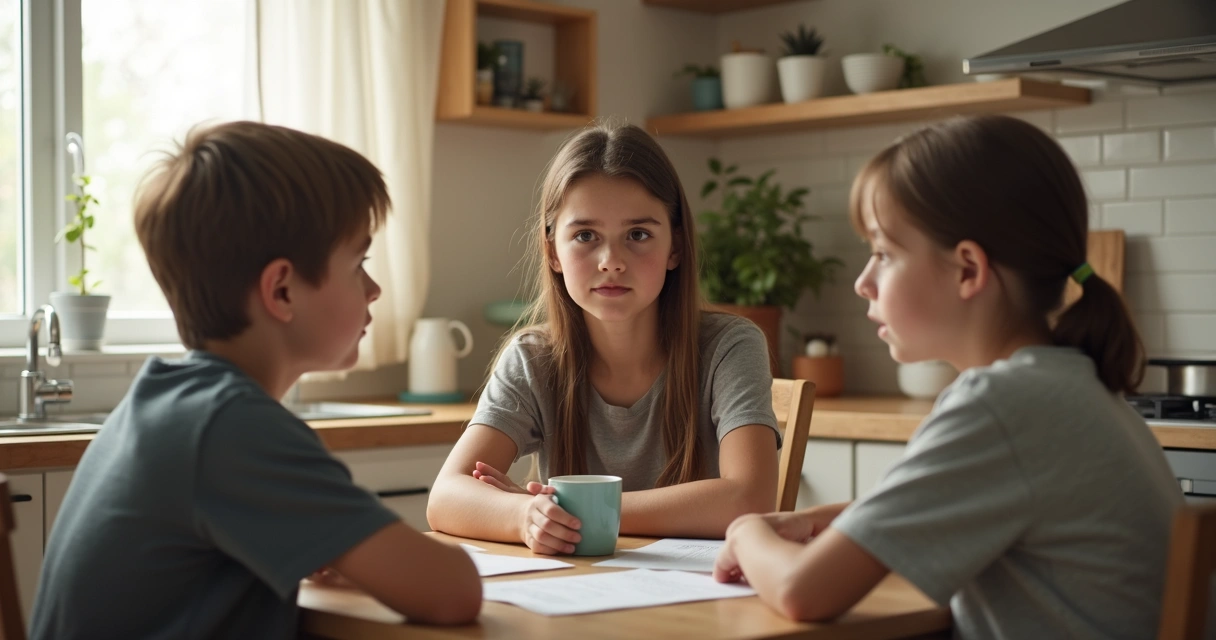
Sibling rivalry today often reflects more than personality clashes. It can reveal competition for emotional place, stress in the adults, old family stories, digital comparison, and, at times, real aggression. When we notice these patterns, we stop treating every fight as random noise. We begin to hear the message inside it.
The good news is simple. Families can shift patterns when they name them clearly, stop fixed roles, and protect each child’s dignity. Change rarely starts with a perfect speech. It starts with one honest observation, made in time.
Frequently asked questions
What causes sibling rivalry today?
Sibling rivalry today can grow from jealousy, competition for attention, stress at home, different parenting responses, and online comparison. It may also reflect deeper family roles, such as one child being seen as the responsible one and another as the difficult one. These patterns can make small conflicts feel much bigger.
How to reduce sibling rivalry at home?
We can reduce sibling rivalry by avoiding constant comparison, setting clear limits on hurtful behavior, and giving each child time to feel seen without having to compete. It also helps to notice fixed roles and interrupt them. Calm, steady responses work better than reacting only when conflict gets loud.
What are common patterns in sibling rivalry?
Common patterns include fighting for parental attention, one child being labeled as the strong or difficult one, stress causing uneven discipline, digital comparison through social media, and conflict that slowly turns into repeated aggression. These patterns often repeat until adults name them and respond with clarity.
Can sibling rivalry affect adult relationships?
Yes. Ongoing sibling rivalry can shape how people handle closeness, conflict, trust, and comparison later in life. If a child grows up feeling invisible, attacked, or always judged against a sibling, that emotional pattern may appear again in friendships, love relationships, and work settings.
How to support children during sibling rivalry?
We can support children by listening without rushing to assign blame, protecting each child from humiliation, and teaching repair after conflict. Children also need adults to notice fear, repeated targeting, or signs of bullying between siblings. Support becomes stronger when adults stay fair, present, and emotionally clear.