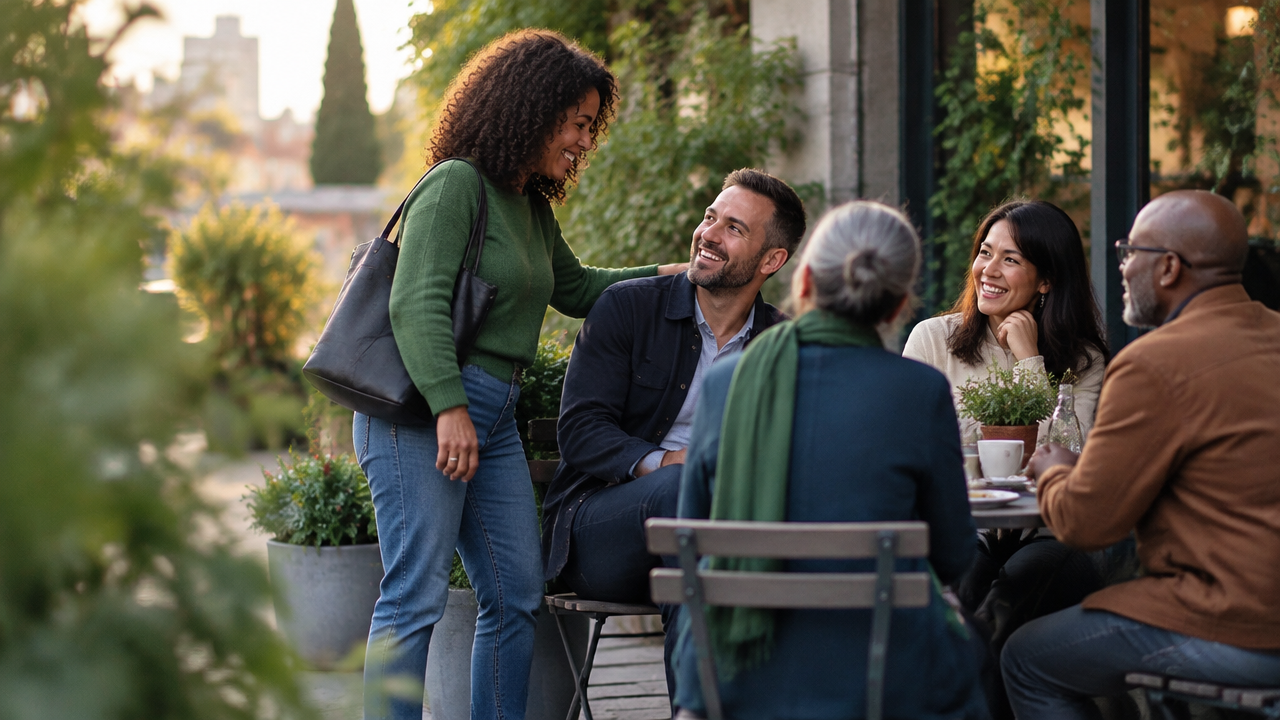
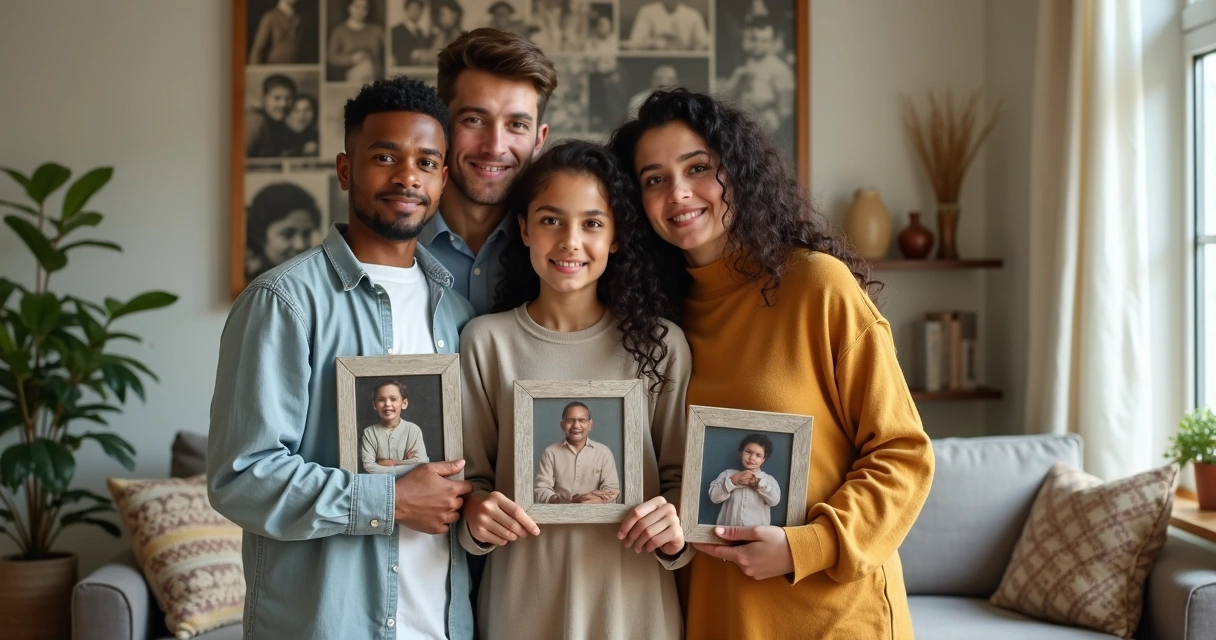
Grief does not always begin with the person in front of us. Sometimes it arrives through silence, family tension, repeated fears, or stories told in fragments. In multicultural families, this can feel even more layered. Different customs, languages, faiths, and histories may shape how loss is carried, named, or hidden.
Inherited grief is the emotional weight of losses that continue to affect later generations.
We often notice it in subtle ways. A parent becomes very anxious every year on the same date but never explains why. A grandparent avoids speaking about a homeland left behind. A child feels responsible for keeping peace in a family marked by old pain. The loss may be death, migration, exile, separation, violence, or a break in belonging. The grief remains active because it was never fully witnessed.
Why multicultural families may carry grief differently
Culture shapes grief. It affects who speaks, who stays quiet, what rituals are allowed, and what emotions are seen as acceptable. A family made of more than one cultural background may hold very different beliefs about mourning under the same roof.
We have seen how one side of a family may value open crying, prayer, and ongoing connection with the dead, while another may see privacy and restraint as respectful. Neither side is wrong. The strain begins when these forms are judged instead of understood.
Research from a National Cancer Institute overview on grief and cultural heritage shows that grief is universal, but mourning practices and personal responses are strongly shaped by culture. This matters in families where people may love each other deeply and still misunderstand each other’s way of grieving.
Loss speaks many languages.
Inherited grief in multicultural families may also include:
Loss tied to migration or forced displacement
Religious differences in mourning rituals
Family secrets linked to war, poverty, or discrimination
Conflicts between collective duty and individual healing
When we name these layers, we reduce confusion. People stop asking, “Why am I reacting so strongly?” and start asking, “What in our family still needs care?”
How inherited grief shows up
Inherited grief is not always dramatic. Often, it lives in patterns. We may see overprotection, emotional distance, guilt around joy, or pressure to stay loyal to pain. In some families, grief turns into idealization of the past. In others, it becomes total avoidance.
A simple family dinner can reveal a lot. One person mentions an ancestor. Another changes the subject. A third begins to cry without knowing why. These moments are not random. They may signal an old wound moving through the family field.
When grief is not processed, it often reappears as behavior before it appears as words.
This is especially true for children. They may absorb tension before they understand the story behind it. They do not need all details, but they do need emotional truth. Without it, they may create their own explanations, and those are often heavier than reality.
Starting the conversation with care
The first step is not forcing disclosure. It is creating safety. In our experience, families open more when they are not pushed into a single “right” way of talking. We can begin with curiosity and respect.
Useful starting points include:
Asking what losses shaped each side of the family
Inviting people to share customs around death, remembrance, and absence
Noticing dates, places, or topics that bring tension
Making space for silence without treating it as refusal
We think small questions often work better than large ones. “What was remembered in your home?” can be gentler than “Tell me everything that happened.” People need rhythm. They need dignity too.
In some Latino families, grief includes continuing bonds with those who died through memory, prayer, and symbolic presence. Findings from work on family bereavement and Latino family ties describe how extended-family connection and ongoing spiritual or psychological bonds can support adaptation after loss. This kind of understanding can reduce conflict when one family member wants to keep photos, stories, or rituals active and another sees that as “not moving on.”
Honoring different grief rituals
In multicultural families, healing often begins when we stop treating one tradition as normal and another as extra. Rituals matter because they give shape to pain. They also help families stay connected across difference.
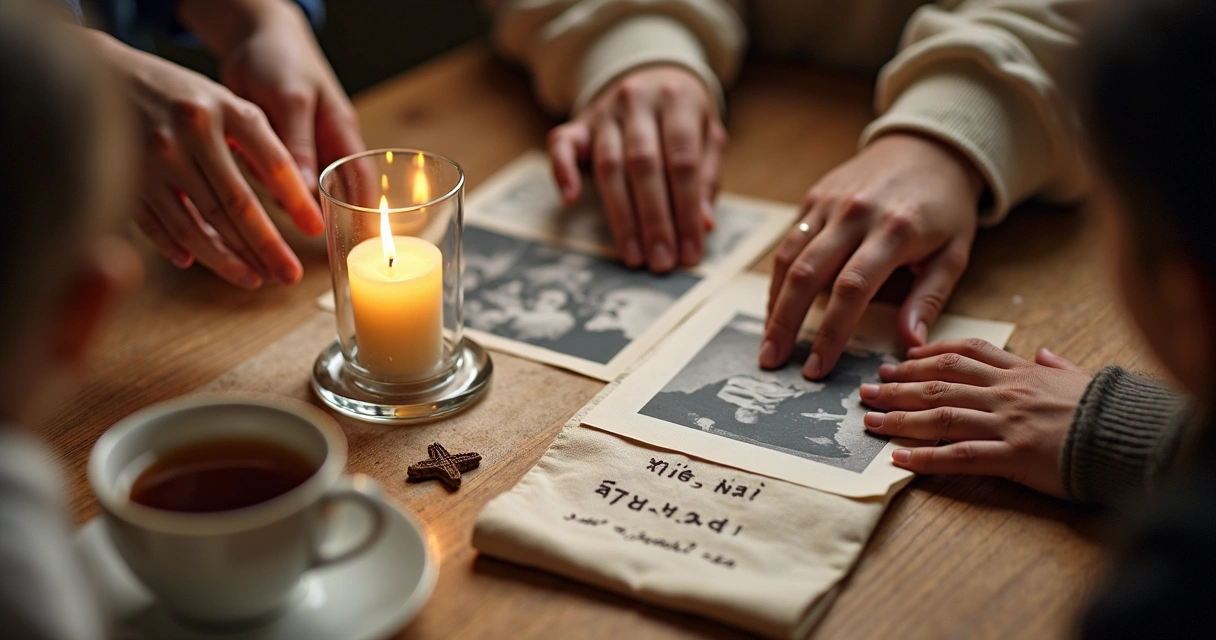
Some people light candles. Some cook a meal linked to the person who died. Some visit graves. Some speak to ancestors in prayer. Some prefer quiet acts, like keeping a keepsake or writing a private letter.
Research on Mexican American ways of maintaining bonds with deceased children describes dreams, storytelling, keepsakes, and faith-based rituals as meaningful forms of remembrance. We find this helpful because it shows that ongoing connection is not denial. In many families, it is love with structure.
Culturally rooted rituals can help grief move, rather than stay frozen.
If a family holds more than one tradition, we can build shared rituals without erasing the old ones. For example:
Choose one remembrance date that both sides can gather around.
Invite each person to bring one object, prayer, song, or food linked to the loss.
Allow different expressions, including tears, silence, or spoken memory.
This does not solve every wound. Still, it creates a place where grief can be seen together.
Supporting children and younger generations
Children in multicultural families may hear mixed messages about grief. One adult says, “Talk about your feelings.” Another says, “Be strong.” A third says nothing at all. The child tries to adapt to all of it.
We believe children do best with simple, honest language and stable emotional presence. They do not need to carry adult burdens. They do need permission to ask questions and to belong to the family story.
It helps to:
Use clear words about death and loss, without harsh detail
Explain family rituals in ways children can follow
Let them remember through drawing, music, stories, or objects
Correct secrecy that makes them feel at fault
Sometimes a child says something simple that changes the room. “Why does no one say her name?” That question can open what adults have avoided for years. Short. Direct. True.
When outside support helps
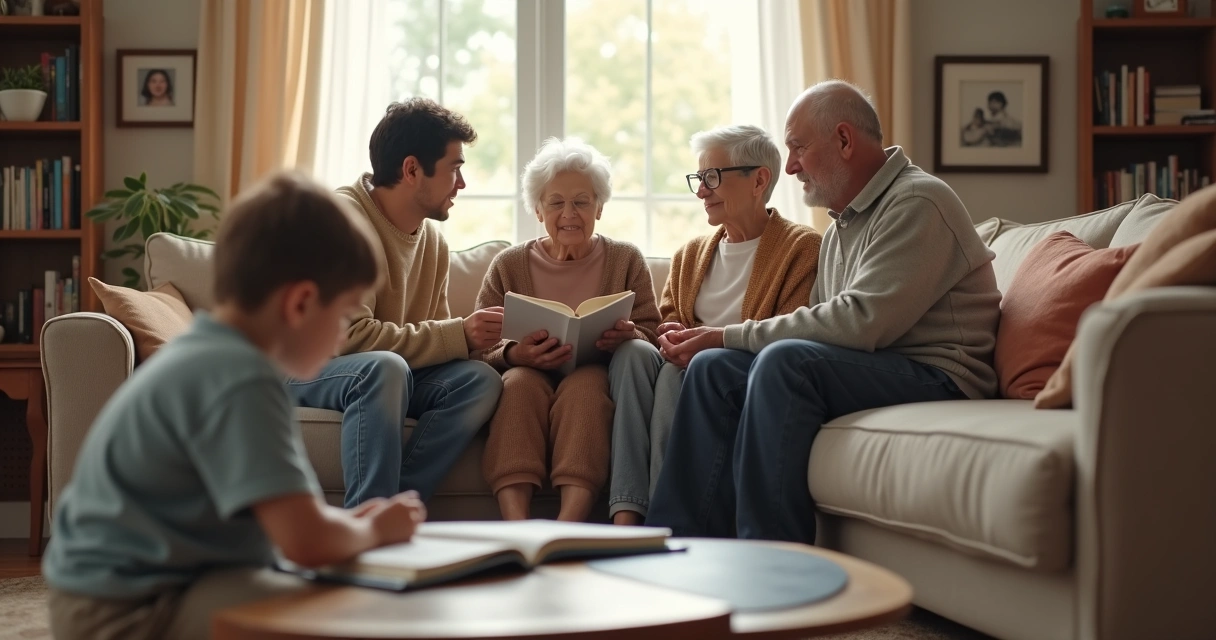
Some grief patterns are too dense for family conversation alone. Trauma, estrangement, violence, and repeated losses may require skilled support. This is not failure. It is care.
A literature review on grief in Latino and Latina communities points to the strong role of cultural values and practices in bereavement, and the need for support that respects those contexts. We agree. Help is more effective when people do not have to defend their culture in the process of healing.
When seeking support, we suggest looking for someone who can:
Work respectfully with more than one cultural framework
Understand family systems, not only individual symptoms
Welcome spiritual or ritual practices when they matter to the family
Support accountability without blame
Conclusion
Inherited grief in multicultural families asks for patience, humility, and honest listening. We cannot rush what was carried for decades. But we can begin to make it visible. We can ask better questions. We can allow more than one form of mourning to exist in the same family.
Healing does not mean erasing pain or making every person grieve the same way. It means giving grief a place, a language, and a relationship to the present. When that happens, later generations are less likely to carry what was never theirs to hold alone.
What is seen can change.
Frequently asked questions
What is inherited grief in families?
Inherited grief in families is grief that continues across generations after a loss was not fully processed or spoken about. It may come from death, migration, separation, trauma, or major family rupture. Later generations may feel its effects through fear, silence, guilt, or repeated relationship patterns, even if they did not live through the original event.
How to discuss grief with children?
We suggest using simple, truthful language that fits the child’s age. Name the loss clearly, answer questions calmly, and explain any family rituals they will see. Children benefit when adults allow feelings without forcing them. Drawing, memory boxes, stories, and quiet conversation can help them process grief in a safe way.
How can culture affect grief experiences?
Culture can shape how people express sadness, how long mourning lasts, what rituals are practiced, and whether continuing bonds with the deceased are encouraged. In multicultural families, different beliefs may exist side by side. Understanding those differences can reduce conflict and make support more respectful and effective.
What are effective ways to support grieving?
Good support often includes listening without judgment, respecting family and cultural rituals, speaking honestly about loss, and allowing each person to grieve in their own way. Shared remembrance practices, emotional presence, and practical help with daily life can also ease the burden. When grief becomes overwhelming or stuck, professional support may help.
Where to find culturally sensitive counseling?
Culturally sensitive counseling can often be found through local mental health clinics, community health centers, grief support programs, hospitals, faith communities, or therapist directories that include cultural focus and language preferences. We suggest looking for a counselor who understands family systems, welcomes cultural traditions, and respects the meanings a family gives to grief.