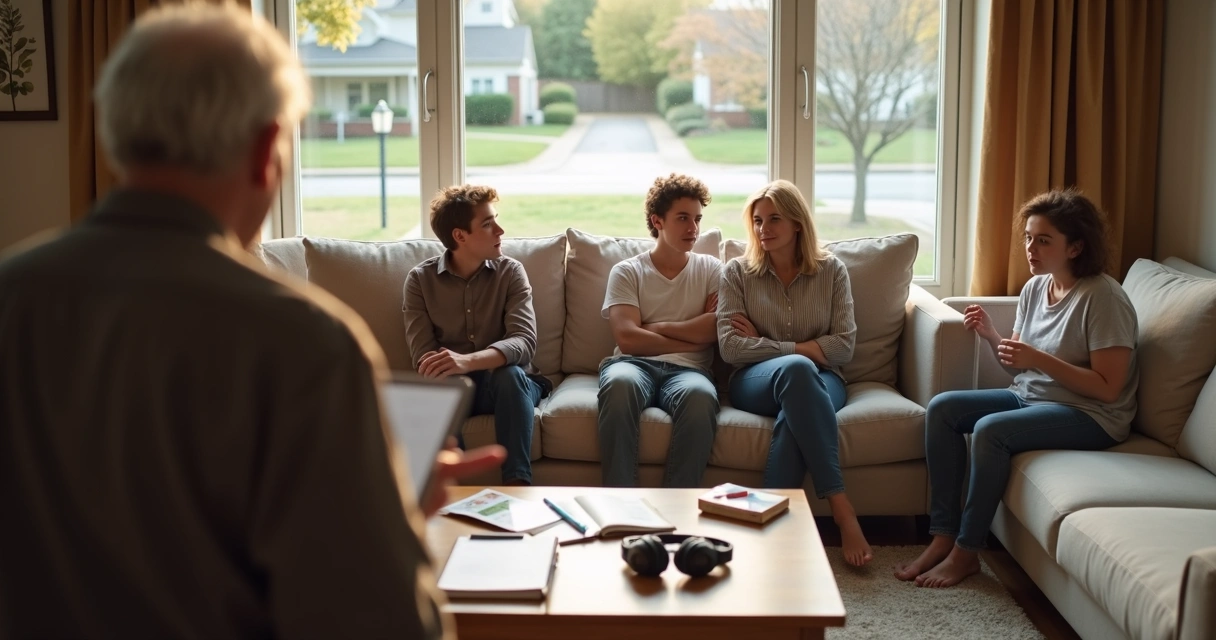
Blended teams can be rich, creative, and strong. They also carry more friction than many leaders expect. We see this when people from different functions, work styles, cultures, or locations come together with shared goals but very different hidden rules.
Conflict in blended teams rarely starts with one bad conversation. It grows from patterns that the group keeps repeating.
In our experience, tension rises when a team treats conflict as a personality issue only. That feels simple. It is also incomplete. A blended team is a living system. Each person reacts to what is spoken, what is avoided, and what is silently rewarded.
A manager once told us, “Nothing big happened. People just stopped trusting each other.” That sentence says a lot. In many teams, conflict does not explode first. It settles in. Quietly.
Why blended teams feel strain faster
Blended teams often include people with mixed seniority, mixed identities, mixed expertise, and mixed ways of working. Some are in the office. Some are remote. Some speak quickly. Others need more time. The team may look aligned on paper while living in different realities each day.
That strain is not imagined. In a study of 44 teams with 230 participants from 29 countries, fully virtual and highly nationally diverse teams reported the highest perceived conflict. Performance also dropped when compared with in person teams. We think this matters because blended teams often combine both distance and difference at the same time.
Below, we share eight patterns that often sit underneath recurring tension.
Eight patterns that fuel conflict
1. Unclear belonging
Some team members feel central. Others feel added later. This can happen after a merger, a reorganization, or a hiring wave. It can also happen when contractors, remote workers, or newer staff are treated as temporary voices.
When belonging is uneven, people protect territory. They hold back information. They read neutral feedback as rejection.
People fight harder when they are not sure they belong.
We often notice signs such as:
Inside jokes that exclude newer members
Meetings where some voices are heard first every time
Decisions made before the full team is present
A team cannot work as one unit if part of it feels unofficial.
2. Split loyalties
In blended teams, people may answer to more than one group. They may feel loyal to their home department, their former team, their region, or their direct manager before the blended unit itself.
This creates double signals. A person says yes in the group meeting, then follows a different priority later. Others see inconsistency and call it resistance. In many cases, it is divided allegiance.
When loyalties stay hidden, teams mistake systemic tension for individual unreliability.
We have seen this pattern turn simple planning into repeated disappointment. Not because people do not care, but because they are serving two maps at once.

3. Unspoken hierarchy
Every team has hierarchy. The problem is not hierarchy itself. The problem is when power is denied but still acts. Then people are expected to “speak freely” while knowing some opinions carry more weight.
In those teams, meetings become confusing. People present ideas upward instead of thinking together. Disagreement becomes risky. Silence grows.
We think teams do better when they name who decides what, who gives input, and where challenge is welcome. Clear authority feels safer than hidden authority.
4. Inherited stories
Sometimes a team conflict did not start with the current team at all. A new group may inherit old mistrust from earlier leadership, prior layoffs, failed projects, or rivalry between functions.
A new manager walks in and senses distance in the room. Nobody explains it fully. Still, the team has a memory. It shapes reactions before anyone speaks.
These inherited stories often sound like this in private:
“We tried that before.”
“They never listen.”
“This team always gets blamed.”
If those stories stay unnamed, the team keeps living inside them.
5. Role confusion
Blended teams often come together fast. Titles look clear, but daily work is not. Two people think they own the same task. One person assumes another will handle a problem. Nobody does.
Then conflict appears in the form of blame, delay, and defensive emails.
Many team arguments are really disputes about role boundaries, not personal dislike.
We have seen relief appear almost at once when teams define who leads, who supports, and what must be shared before action. Clarity lowers emotional noise.
6. Uneven access to information
Some members hear updates in hallway chats. Others only get polished summaries later. In hybrid settings, this gap is common. It creates two teams inside one team: the informed and the catching up.
This pattern hurts trust quickly. People who miss context may ask questions that sound off track. Then they are judged unfairly. Soon they participate less.
Small omissions matter here. A side conversation. A changed deadline. A decision made after the formal meeting ended. Each one teaches the team who is inside and who is outside.

7. Emotional overloading of one person
Every stressed team tends to assign a role. One person becomes the fixer. Another becomes the difficult one. Another becomes the calm translator. These roles can look useful at first. Over time, they trap people.
We have watched teams rely too much on one member to absorb tension, explain decisions, or keep peace. When that person gets tired, conflict spreads fast because the team never learned a healthier way to regulate itself.
A team that outsources its balance stays fragile.
8. Avoidance dressed as harmony
This is one of the most common patterns. The team looks polite. Meetings feel smooth. Yet hard topics never reach the table. People call this respect. Sometimes it is fear.
Avoidance can look like agreement, but it stores resentment. It keeps the surface calm while pressure grows underneath. Then one small event triggers a reaction that seems too big for the moment.
We think mature teams do not avoid strain. They build ways to speak before the strain hardens.
Conclusion
Blended teams do not struggle only because people are different. They struggle when difference lands inside unclear structures, old stories, split loyalties, and missing conversation. Once we see the pattern, the conflict starts to make more sense. That alone can change the room.
The first step is not to control every disagreement. It is to see what the team keeps recreating together.
When we name these patterns with care, we move from blame to responsibility. That shift is quiet, but strong. And often, it is where real repair begins.
Frequently asked questions
What is a blended team?
A blended team is a group made up of people from different backgrounds, functions, locations, or work styles who must work together on shared goals. It may include in person and remote members, newer and older staff, or people from separate departments.
What causes conflict in blended teams?
Conflict usually grows from systemic issues such as unclear roles, uneven access to information, hidden hierarchy, and split loyalties. Personal friction can exist, but the deeper cause is often how the team is structured and how it relates.
How can I reduce team conflicts?
We suggest naming roles clearly, making decision paths visible, sharing context with everyone, and creating space for honest disagreement early. Teams reduce conflict when they deal with patterns before frustration becomes personal.
What are common patterns behind conflicts?
Common patterns include unclear belonging, inherited mistrust, role confusion, emotional overloading of one person, and avoidance that looks like harmony. These patterns repeat until the team sees and addresses them directly.
Why do blended teams struggle to collaborate?
Blended teams often carry more difference and less shared context. People may work from different assumptions, hold different loyalties, or receive different levels of access and influence. Collaboration gets harder when the team does not build common ground on purpose.