
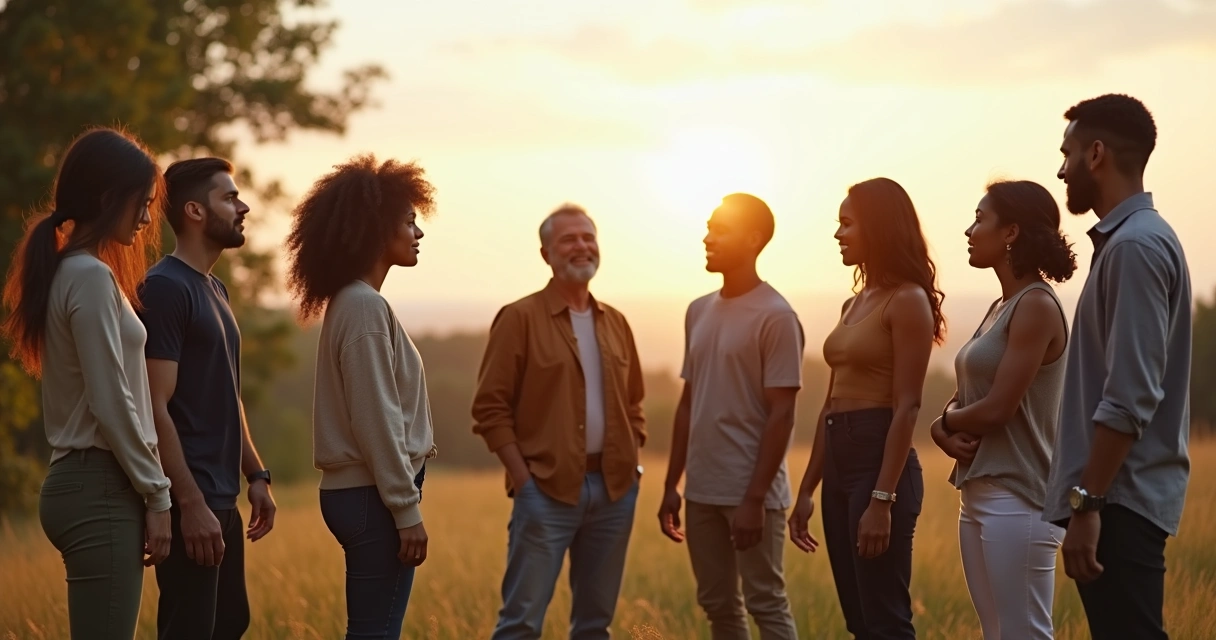
We all want to belong. It’s woven into our sense of self and shapes how we see others—and ourselves. But what happens when we feel on the edge of a group or, worse, pushed out? Many people hardly notice these moments until emotional distress appears. Others sense exclusion immediately, triggered by a subtle word, an empty meeting chair, or a fleeting look that seems to say, “You don’t really fit here.”
Belonging is built in circles: family, friendship, communities, teams, organizations. The feeling can be as gentle as holding hands around a table or as silent as sitting nearby and not being seen. Understanding how exclusion works—and how cycles of restoration can happen—brings us closer to transformation.
Understanding the circle of belonging
Belonging is not a one-time event but a dynamic state we negotiate throughout life. A “circle of belonging” is any group or relationship system, where each member’s place holds weight—emotionally, behaviorally, and socially. These circles are living fields; our behaviors and feelings are shaped by unseen currents flowing between us and others.
All circles have implicit “rules.” Some are loving: care, listening, honesty. Others are unspoken and restrictive: “act tough,” “don’t express sadness,” “only success matters.” These rules decide who stays within the circle and who drifts to the edge.
How exclusion shows itself
Many people say, “I was excluded, but nobody said so directly.” Most often, exclusion is not announced. It happens quietly, carried by patterns we rarely notice unless we pause for reflection.

Recognizable signs of exclusion
In our experience, exclusion leaves emotional marks that may be faint or clear. People often report some of the following:
- Group decisions made without their input
- Lack of eye contact or silence when speaking up
- Receiving less information or being “the last to know”
- Sensing emotional coldness—conversations stop when approaching
- Being frequently left out of gatherings, even by “accident”
- Ideas acknowledged only when voiced by others
These signs are often subtle and cumulative, gradually undermining confidence and trust. Some people begin to self-exclude, thinking it’s best to stay quiet, unnoticed, or absent.
Sometimes, exclusion feels like being present but invisible.
Hidden patterns that fuel exclusion
We’ve seen exclusion arise not just from actions but from shared beliefs and unspoken agreements within families, workplaces, and groups. Common stories that play out:
- Newcomers are tested or required to “prove” themselves
- Conflicts swept under the rug until someone is quietly dropped
- Generational patterns repeating—for example, someone always kept apart “because that’s just how things are”
Exclusion isn’t always a conscious choice. Often, it’s a reaction passed from one group member to another, rooted in fear, pain, or unprocessed history.
Emotional and behavioral effects of exclusion
Feeling excluded can lead to both immediate and lasting emotional responses. We see a few recurring reactions:
- Withdrawal and isolation—avoiding group contact
- Increased anxiety or insecurity
- Internalizing blame (“Maybe it’s my fault. Maybe I don’t deserve to belong.”)
- Acting out—anger, sarcasm, or challenging group norms as a way to regain a sense of self
Exclusion weakens our sense of connection, lowers trust, and can impact not just the excluded member, but the vitality and creativity of the circle itself.
How restoration starts
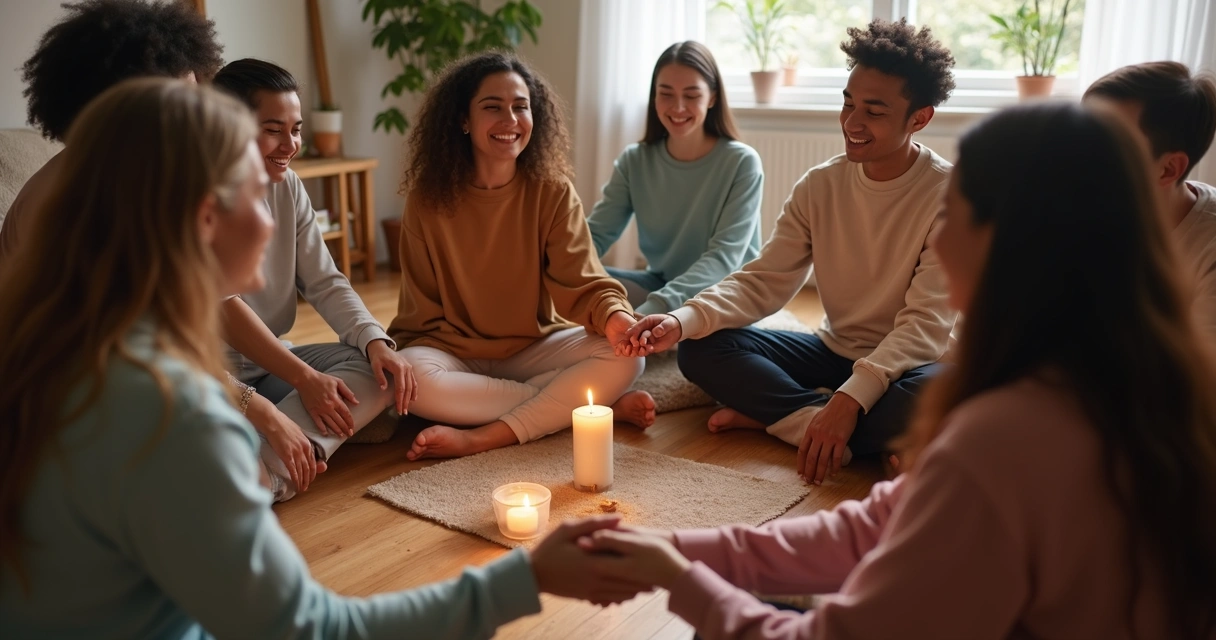
Restoring belonging is not a quick fix. It often begins with someone noticing pain or distance—and being willing to ask, “Who has been left out here?” In our own work, we have found that healing happens in deliberate, even small, steps. Sometimes, it’s a word. Other times, it’s a gesture of invitation, a public acknowledgment, or a ritual that addresses the absence.
The pathways to restoration
Restoring a circle of belonging often flows through several phases:
- Recognition of exclusion: Someone brings the pattern into awareness, whether through words, art, or a pause in routine.
- Giving voice to pain: The excluded or those who witnessed the exclusion are invited to share their experience. Sometimes, this requires courage, and sometimes a gentle nudge from an ally in the group.
- Accountability and repair: The group takes responsibility, not only saying “sorry,” but looking at what enabled exclusion. This transforms apology into meaningful change.
- Rituals of re-inclusion: These can be as simple as a welcomed seat at the table, a round of honest introductions, or a group project that centers everyone’s voice.
- Creating new agreements: Members reflect on what they want from each other moving forward and how to keep everyone in sight.
We often notice that once a circle restores belonging to someone, the overall energy shifts. People laugh more easily, conflicts lessen, and new possibilities emerge. Restoration isn’t about perfection; it’s about reweaving the threads that have loosened.
Belonging is restored when each person can show up and be truly seen.
What we can do to keep circles strong
While exclusion sometimes feels like fate, we know circles can be reshaped through ongoing practices:
- Regular check-ins that allow all voices, not just the loudest
- Rituals that honor both arrivals and farewells in the group
- Shared reflection on group “rules”—which help, which exclude?
- Encouraging feedback—not just about work, but about emotions and experiences of being together
Inclusivity isn’t about words or slogans, but about daily choices that make belonging real. We’ve seen circles thrive when members are willing to say, “We missed you,” “How do you feel about this?” or “What might help you feel part of us, again?”
Restoring ourselves as well as our groups
To seek belonging is to seek wholeness. Sometimes, we must first rediscover what it means to belong within ourselves. This means noticing our own patterns—do we tend to retreat when things get hard? Do we defend ourselves before giving others a chance? By being honest with ourselves, we create more space to be honest with others.
When we practice restoration in our circles, we don’t erase what happened; we create a new way forward. Everyone benefits: those once excluded, those who did the excluding, and the wider field that holds us all.
Conclusion
Belonging shapes the quality of our lives and communities. Recognizing signs of exclusion is the first step toward restoring wholeness—not just for an individual, but for the groups, families, and organizations we build together. Restoration is possible when we see each other, listen deeply, and take responsibility, choosing each day to include, invite, and welcome anew.
Frequently asked questions
What is a circle of belonging?
A circle of belonging is a group, team, family, or organization where individuals feel accepted, included, and valued as members. This circle influences our identity, self-esteem, and emotional well-being. Its boundaries are shaped by shared values, behaviors, and unwritten rules.
How can I tell if I'm excluded?
If you notice that your opinions are regularly overlooked, you are left out of important conversations, or you feel invisible during group interactions, you may be experiencing exclusion. People often recognize exclusion through a sense of distance, discomfort, or sadness during or after group encounters.
What are signs of group exclusion?
Some clear signs include reduced eye contact, silence when you speak, decisions made without your input, being left out of invitations, and lack of acknowledgment for your contributions. Group exclusion is typically felt through changes in emotional connection, less communication, and a drop in trust or openness.
How do you restore belonging in groups?
Restoring belonging starts with awareness—acknowledging exclusion and giving space for honest conversations. Steps include listening to excluded voices, sharing responsibility, making amends, and creating new practices that include everyone. Small rituals and group agreements help maintain a climate of welcome.
Why is social belonging important?
Social belonging supports mental health, self-esteem, and the growth of trust and cooperation within any group. When we feel we belong, we are more open, creative, and resilient. Lacking this sense can lead to isolation, lowered mood, and strained relationships.