When we think back on our childhood, we may notice certain patterns: the bossy older sibling, the adaptable middle child, the charming youngest. Sometimes we resist these labels, and sometimes we live up to them without realizing it. We see the same ideas reflected in popular culture and in research, too. But how deep do these patterns go? Are they a simple matter of personality, or do they reflect something more profound about the systems in which we grow?
The family system and the roots of birth order roles
We believe that every family forms a living system, where each member’s place shapes not only their behavior but the entire network of relationships and expectations. Birth order doesn’t just describe the sequence of our arrival; it quietly informs the roles we play, the masks we wear, and even the beliefs we carry into adulthood.
Birth order is woven into the invisible script of family life, often guiding us before we can name it.
When the first child arrives, there is curiosity, uncertainty, and often a greater sense of parental attention. The oldest becomes the standard-bearer, with expectations—spoken or not—placed gently but firmly on their shoulders. The arrival of a second child disrupts and reorders this dynamic, giving rise to comparison, new alliances, and fresh rivalries. The sequence continues, subtly changing with each addition or loss.
Common unconscious family roles shaped by birth order
We notice that certain roles seem to appear again and again based on where someone lands in the family line-up. These aren’t rules, but tendencies shaped by the interplay of parental focus, sibling competition, and systemic needs.
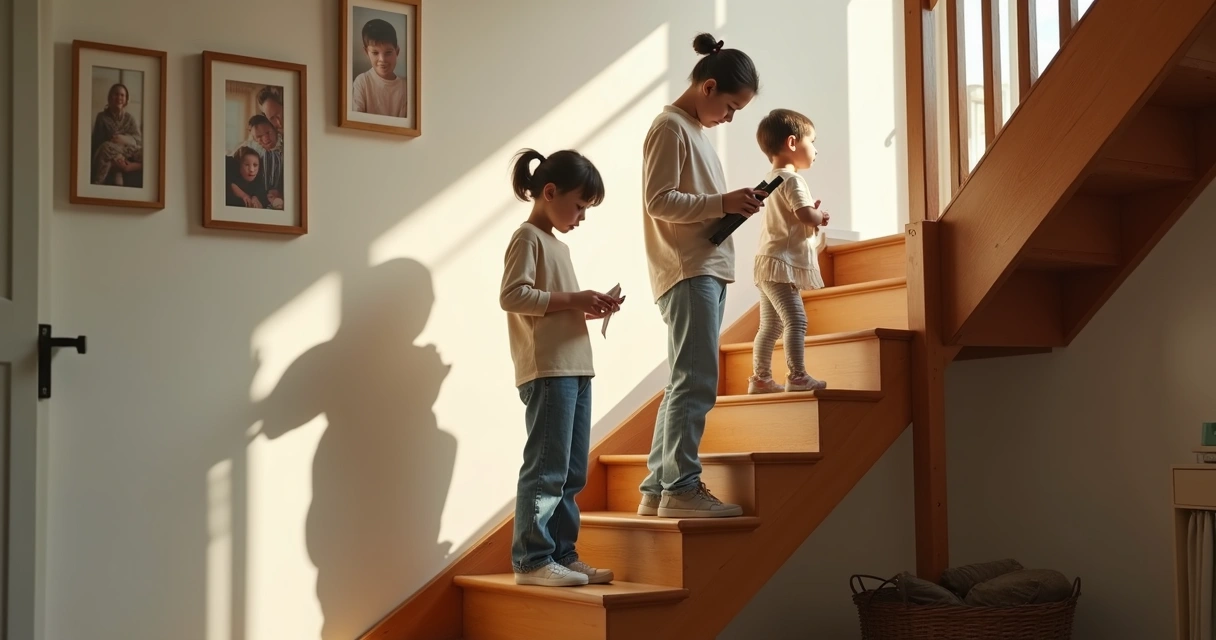
- The firstborn: Often tasked with responsibility, setting standards, or caring for younger siblings. They may act as bridges between parents and the rest of the siblings, striving for approval and structure.
- The middle child: Sometimes finding themselves without a unique “place,” leading to adaptability and negotiation skills. They may be the peacemaker, the one who balances, or the quietly independent child.
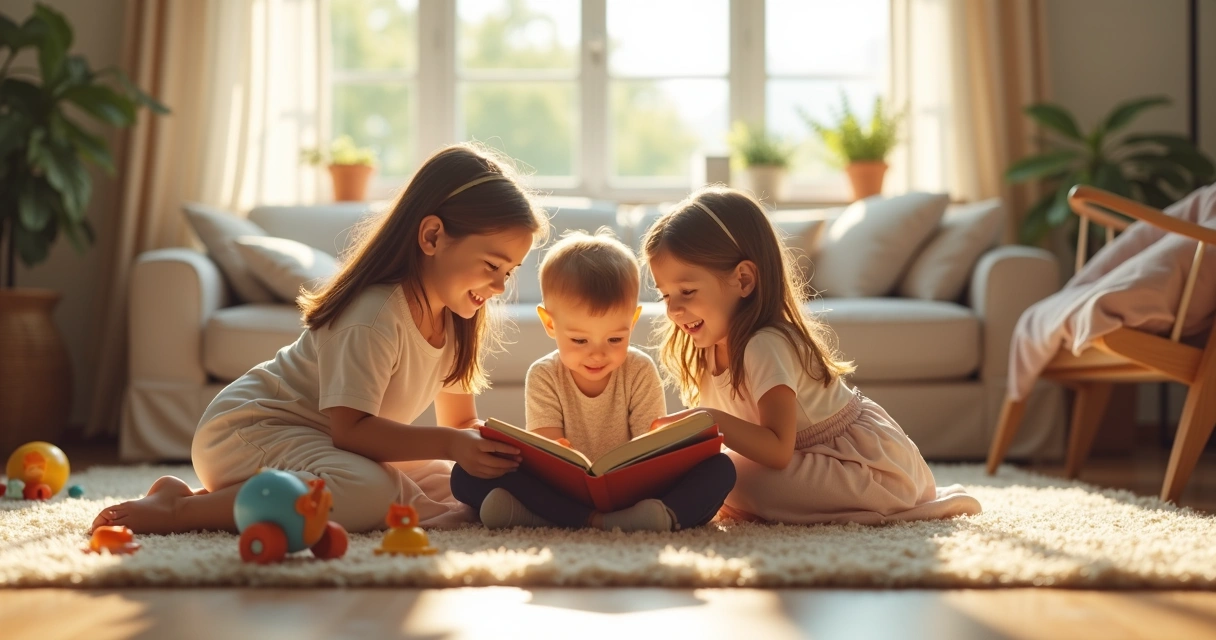
- The youngest: Frequently seen as charming and free-spirited, possibly receiving more leniency or affection. They may rebel, entertain, or pull attention in gentle ways.
- Only children: Combining aspects of the firstborn and youngest, navigating adult worlds early while craving both connection and independence.
We recognize that these labels are not static. The real story is in how these tendencies interact with one another—and how they shift as family circumstances change (such as the arrival of a new sibling, a move, or a family transition).
How unconscious roles meet individual personality
Some people seem to fit the mold exactly. Others break it. What we’ve seen, through research and experience, is that these unconscious roles develop through the dance between family expectations and personal temperament. For instance, a quiet firstborn may internalize responsibility but express it through acts of service rather than leadership. A determined youngest may transform their charm into perseverance.
Parental attitudes and family circumstances act as amplifiers. For example, if parents are under stress when a middle child is born, that child might sense a need to be self-sufficient, slipping further into the background or stepping up as a mediator.
Scientific findings on birth order and roles
Several studies have connected birth order with patterns in adult behavior, academic performance, and even career choices. For example, a Brookings Institution analysis found that firstborns display higher emotional stability and a willingness to take on responsibility, often choosing managerial roles later in life. In contrast, later-borns tend towards self-employment, perhaps driven by a desire to set themselves apart.
Meanwhile, according to a working paper from Northwestern University’s Institute for Policy Research, second-born boys, in particular, have a 20–40% higher likelihood of experiencing school-related discipline issues and involvement with the justice system compared to their older brothers. We see these findings not as destiny, but as clues to the forces at play in the family field.
Sometimes, what we assume is just personality may be our response to an invisible family contract.
The impact on decision-making and relationships
The roles that stem from birth order often extend beyond family, shaping how we relate to friends, colleagues, and partners. Firstborns may continue to lead or seek approval, while youngest children may seek out environments where flexibility and risk-taking are rewarded.
In couple relationships, we may even unconsciously seek partners who balance out or reinforce our family roles. For instance, a firstborn who has always cared for others might choose a partner who welcomes guidance, while a middle child might gravitate toward a role that allows for negotiation and flexibility.
At work, these roles can show up in how we handle authority, respond to feedback, or pursue goals. When we become aware of these dynamics, we can question old patterns and make more conscious choices.
Exceptions, changes, and family complexity
No two families are the same, of course, and birth order does not seal our fate. Events such as the loss of a sibling, blended families, or large age gaps can alter the expected roles. Children can swap places emotionally (the youngest acting as the oldest, for example), or unexpected events may call someone into a new role.
We also observe shifts when family members become conscious of old patterns. Through intentional reflection and open conversations, it is possible for everyone to negotiate new, healthier ways of relating.
Making the unconscious visible
It can feel eye-opening to realize how much of what we do echoes patterns set in our earliest years. Becoming aware of unconscious birth order roles gives us a new story to tell about ourselves—one that includes both the influence of our families and the possibility of change.
By noticing these family scripts, we open the door to more honest choices and mature relationships.
Sometimes, it only takes a question to start this process: “Whose needs am I trying to meet?” or “Is this role serving me now?” The answers may surprise us, and the journey to self-discovery can be healing for the entire family system.
Conclusion
Birth order is more than a conversation starter; it shapes the unconscious roles we play within our families and far beyond. While patterns and tendencies can often be predicted, every family’s story is unique and shaped by countless factors. By shining a light on these dynamics, we give ourselves the chance to notice, reflect, and decide which roles we want to keep—and which we are ready to release.
Frequently asked questions
What is birth order in families?
Birth order refers to the sequence in which children are born in a family, such as firstborn, middle child, youngest, or only child. This position can affect family roles and expectations from an early age.
How does birth order affect roles?
Birth order often shapes the expectations and unconscious roles that family members adopt, like leader, peacemaker, or entertainer. These roles are influenced by parental attention, sibling interactions, and the family system as a whole.
Can birth order impact personality?
Many studies suggest that birth order can influence personality traits, such as responsibility, adaptability, or a preference for independence. However, personality is also shaped by temperament and other life experiences.
Are firstborns always more responsible?
Firstborns are often expected to be responsible due to their position, but this is not always the case. Individual differences, family context, and life events can lead to very different outcomes.
Do middle children get less attention?
It is a common belief that middle children receive less attention, often because parents’ focus shifts to the oldest or youngest. Some middle children respond by seeking independence, while others develop strong negotiation and social skills.